
Quick answer: Start 60 to 90 minutes before bed and hit three targets: let melatonin rise, let core temperature start dropping, and let the nervous system downshift. Set a recurring wind-down alarm so the routine actually begins. Switch off bright overheads, put screens on night mode and the phone down 30 minutes before bed. Cool the bedroom to around 65F / 18C, dark and quiet. Spend two or three minutes on gentle neck and shoulder mobility, and apply a topical if you are stiff or sore. Then slow your breathing – in for 4, out for 6 – and read a few pages. On busy nights, dim lights, a cool room and two minutes of breathing still work.
The 60 to 90 minutes before bed decide how fast you fall asleep and how you feel in the morning. Here is a simple, repeatable routine, and the three tools that make it work.

Why your evening decides your night
Falling asleep is not a switch you flip at bedtime. It is the result of signals you send your body in the hour or two before. Three things have to line up: your melatonin needs to rise (which bright light blocks), your core temperature needs to start dropping, and your nervous system needs to shift out of go-go-go mode. A good wind-down routine does all three on autopilot, so sleep stops being something you chase.
One caveat before the steps. For some people the wind-down is exactly when the trouble starts, because a quiet house is the first time all day there is nothing covering the ringing in their ears. If that is you, silence is working against you and the usual advice to make the room as quiet as possible is the wrong instruction — see why tinnitus gets worse at night for what to do instead.
The wind-down routine, step by step
1. Set a wind-down alarm 60 to 90 minutes before bed
The routine only works if you actually start it. Set a recurring alarm labelled wind down. When it goes off, the day is over. This one habit does more than any supplement.
2. Kill the bright light and put the screens down
Bright overhead and blue-white screen light suppress melatonin. Switch to warm lamps, drop your screen to night mode, and ideally put the phone down 30 minutes before bed. Even dimming the lights is a powerful cue.
3. Cool the room to around 65F / 18C
Your body has to shed heat to fall asleep. A cool, dark, quiet room makes that automatic. Blackout where you can and use a fan or white noise to cover disruptive sounds.
4. Release the day’s physical tension
If you carry pain or stiffness into bed, you will surface out of deep sleep every time you shift. Spend two or three minutes on gentle neck and shoulder mobility. For localized neck, shoulder, or back pain, the pharmacy options are compared here. A patch is the format that survives the night if you’d rather not use drops; a menthol gel works fastest if you just need to settle. Which one for which pain: our topical pain relief comparison.
5. Quiet the mind and body
Once the room and the pain are handled, help your nervous system downshift: slow breathing, a few pages of a book, and magnesium if you tend to run tense. On the genuinely hard nights, the option we point people to is YU SLEEP, a liquid formula built to help you fall asleep faster without the next-morning grogginess of heavier sleep aids. It is a tool for the tough nights, not a nightly crutch.Check first: YU SLEEP contains 5-HTP, which raises serotonin. If you take an antidepressant (SSRI, SNRI or MAOI), a migraine triptan or tramadol, ask your prescriber before trying it. Not for pregnancy or breastfeeding.
Check YU SLEEP price and availability →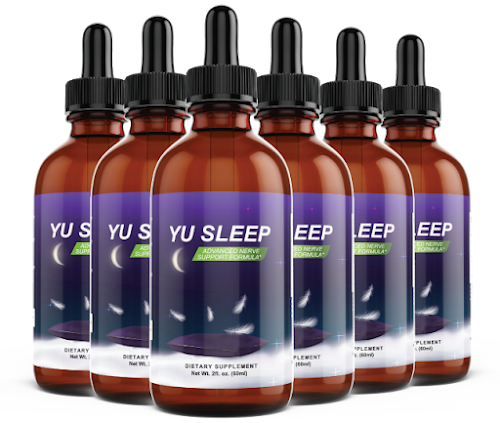
6. Set the stage for the night
None of it holds if your neck is bent out of line for the next eight hours. A supportive, correctly-lofted pillow keeps your head and spine neutral all night. The one we recommend is the Derila Ergo, a contoured memory-foam pillow that supports side and back sleepers and that buyers report holds its shape.
Check the Derila Ergo price →The 20-minute version for busy nights
No time for the full routine? Do these three and you will still fall asleep faster:
- Dim the lights and put your phone down.
- Cool the room and get comfortable.
- Two minutes of slow breathing (in for 4, out for 6).
A sample wind-down timeline
| Time before bed | Do this |
|---|---|
| 90 min | Wind-down alarm. Last coffee/heavy food already done hours ago. |
| 60 min | Dim the lights, switch off overheads, screens to night mode. |
| 30 min | Gentle stretches, apply topical if sore, cool the bedroom. |
| 15 min | Phone down, book or slow breathing, sleep aid only if needed. |
| 0 min | Lights out, head on a properly supportive pillow. |
Your wind-down toolkit
Three tools cover the three things that keep people awake: pain, a racing mind, and bad neck support.
| The problem | The tool | |
|---|---|---|
| Pain or stiffness at bedtime | A pharmacy topical | Compare the options → |
| Can’t switch your mind off | YU SLEEP liquid formula | Check price → |
| Waking up stiff and sore | Derila Ergo pillow | Check price → |
Frequently asked questions
How long before I see results?
Most people fall asleep noticeably faster within a few nights of keeping the routine consistent. Consistency matters more than any single step.
What if I work shifts or odd hours?
The routine still works, it just anchors to your bedtime. Keep the same wind-down sequence and, as much as possible, the same sleep and wake times.
Do I need all three products?
No. Start with the free habits (light, temperature, screens). Add the pillow if you wake up stiff, and the topical or sleep aid only if pain or a racing mind are still keeping you up.
Want the bigger picture? Read The Complete Guide to Pain-Free Sleep.
Disclosure: Sleep Align is reader-supported and independent. Some links are affiliate links, and if you buy through them we may earn a commission at no extra cost to you. We only recommend products we have researched in depth and assessed against the manufacturer’s published information and independent research, and commissions never change our recommendations.