
Quick answer: Your circadian rhythm is set by light, timing and consistency, not willpower. Anchor one wake time and hold it every day, weekends included; get 10 to 15 minutes of real outdoor light within an hour of waking; then dim the lights and go screens-down 60 to 90 minutes before bed and cool the bedroom to around 65F / 18C. Most people find bedtime follows within 1 to 2 weeks. Bigger shifts such as shift work or jet lag take longer, because the clock moves by roughly an hour a day at most. For persistent sleep problems, talk to your doctor.
Your body already knows how to sleep well — it just needs the right signals, at the right times, to run its clock correctly.
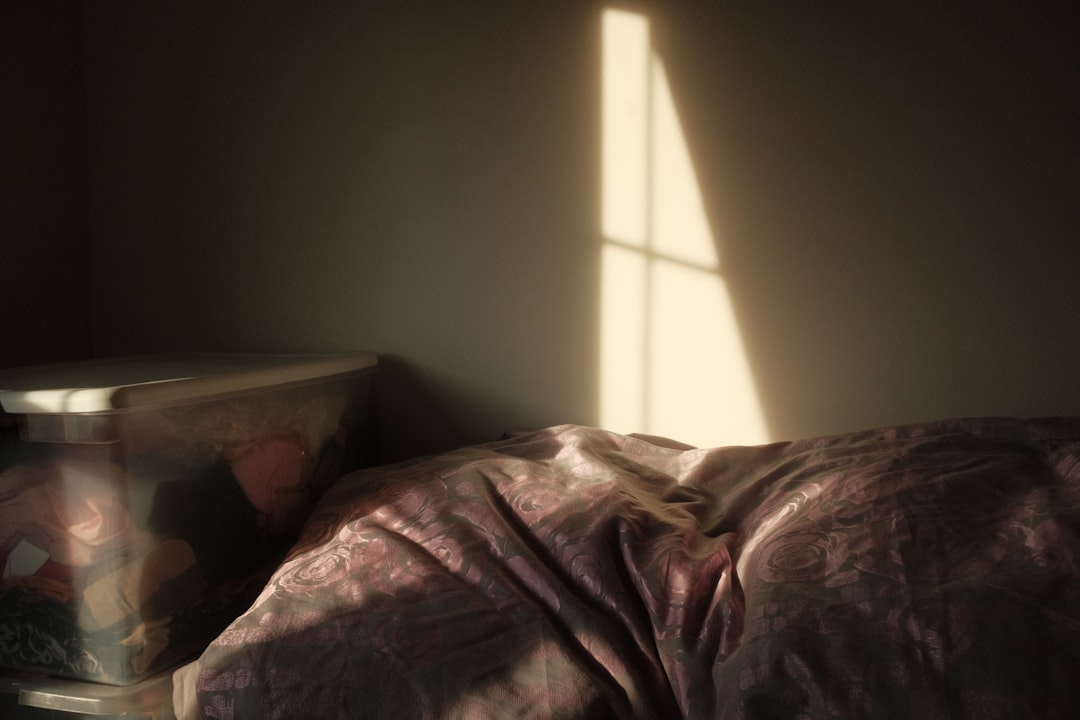
What your circadian rhythm actually is
Your circadian rhythm is a roughly 24-hour internal clock, run by a cluster of cells in your brain called the suprachiasmatic nucleus. It tells your body when to release melatonin (sleep hormone), when to raise cortisol (wake-up hormone), and when your core temperature should drop to help you fall asleep.
The clock is mostly set by one thing: light. Bright light in the morning tells your brain “day has started.” Darkness in the evening tells it “day is ending, start winding down.” When that signal gets scrambled — irregular bedtimes, late-night screens, no morning sunlight, weekend sleep-ins — your clock drifts, and you end up tired at the wrong times and wired at bedtime.
The good news: because it runs on light and timing, it is one of the most fixable parts of sleep. You are not fighting your biology, you are just giving it clearer instructions.
Step 1 — Anchor your wake time, not your bedtime
Most people try to fix sleep by forcing an earlier bedtime. It rarely works, because bedtime is downstream of your body’s actual readiness for sleep. The lever that moves faster is your wake time.
- Pick one wake time and hold it — weekends included. A two-hour weekend lie-in is basically mini jet lag every Monday.
- Get up at that time even after a bad night. Sleeping in to “catch up” pushes your clock later and makes the next night harder.
- Expect bedtime to follow within 1-2 weeks as your body’s own sleep pressure builds earlier in the evening.
Step 2 — Get real daylight in the first hour you’re awake
This is the single biggest lever most people skip. Morning light exposure — ideally outdoors, even on a cloudy day — tells your suprachiasmatic nucleus to lock the clock in place for that 24-hour cycle.

- 10-15 minutes outside within an hour of waking, no sunglasses if you can manage it safely.
- A walk, coffee on the porch, or just standing by an open window — outdoor light is many times brighter than indoor light, even on a gray day.
- If you can’t get outside, sit near the brightest window in the house for those first minutes.
Step 3 — Protect the evening signal
Just as important as morning light is evening darkness. Bright light after sunset — especially blue-heavy light from phones, laptops, and overhead LEDs — suppresses melatonin and delays your body’s readiness for sleep.
- Dim the lights 1-2 hours before bed. Lamps instead of overheads, warm bulbs over cool ones.
- Set a screens-down window — even 30 minutes off-screen before lights-out helps.
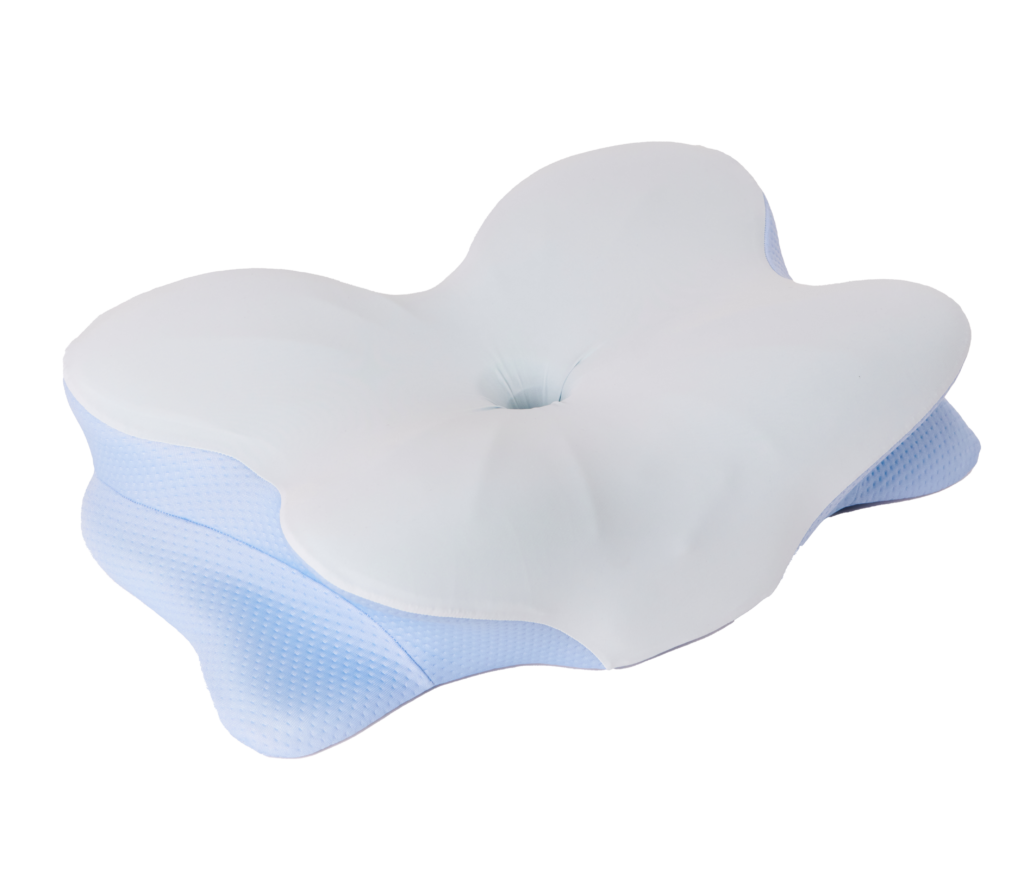
- Cool the bedroom down to around 65°F / 18°C. A dropping body temperature is one of the clock’s own triggers for sleep onset, which is part of why the Derila Ergo pillow matters here too — a supportive, breathable pillow keeps you from overheating and shifting around as your body works to cool down. (Full review: Derila Ergo review.)
Step 4 — Help the transition on the nights it doesn’t come easily
Even with the light and timing right, the first week or two of a reset can leave you lying awake past your new bedtime while your body catches up. That’s normal — and it’s where a sleep aid earns its place, not as a replacement for the reset, but as a bridge through it.
Check first: YU SLEEP contains 5-HTP, which raises serotonin. If you take an antidepressant (SSRI, SNRI or MAOI), a migraine triptan or tramadol, ask your prescriber before trying it. Not for pregnancy or breastfeeding.We researched YU SLEEP, a sublingual liquid whose melatonin is dosed at 0.9mg — low enough to avoid the grogginess higher-dose tablets leave behind. If your reset is driven by travel or a work pattern rather than habit, we have specific guides for jet lag and shift work, both of which cover the light timing that matters more than any supplement. On nights when your clock and your bedtime aren’t lined up yet, it’s the option we point people to — not a nightly habit, just a way to get a real night’s sleep while the reset does its work.
Check price and availability →
A simple 2-week reset
- Days 1-3: Lock your wake time. Get outside within an hour of waking, every day.
- Days 3-7: Add the evening side — dim lights and a screens-down window 60-90 minutes before bed.
- Days 5-10: Cool the room and get your pillow situation right so you’re not overheating or repositioning all night.
- Days 7-14: If you’re still lying awake some nights while the clock catches up, use a sleep aid on the rough ones rather than white-knuckling it.
Two weeks is realistic — your clock shifts by roughly an hour a day at most, so a bigger schedule change (like recovering from shift work or jet lag) can take longer. Consistency matters more than speed.
Related reading: The Perfect Evening Wind-Down Routine and The Complete Guide to Pain-Free Sleep.
Your circadian reset toolkit
| The problem | The tool | |
|---|---|---|
| Overheating or repositioning all night, disrupting the wind-down | Derila Ergo Pillow | Check price → |
| Lying awake while your clock catches up to your new schedule | YU SLEEP | Check price → |
Frequently asked questions
How long does a circadian reset actually take?
Most people notice easier bedtimes within 1-2 weeks of consistent wake time and morning light. Bigger shifts (shift work, jet lag) can take longer.
Do I need blackout curtains and light therapy lamps?
They help, but they’re not required to start. Consistent wake time plus 10-15 minutes of real outdoor light each morning does most of the work.
What if I can’t get outside in the morning?
Sit by the brightest window you have for the first 15 minutes you’re awake. It’s a weaker signal than outdoor light, but still far better than none.
Is it okay to use a sleep aid every night during the reset?
Use it on the nights you actually need it, not as a default. The goal is a clock that works on its own — the aid is a bridge, not the destination.
Disclosure: Sleep Align is reader-supported and independent. Some links are affiliate links, and if you buy through them we may earn a commission at no extra cost to you. We only recommend products we have researched in depth and assessed against the manufacturer’s published information and independent research. This article is general information, not medical advice; talk to your doctor about persistent pain or sleep problems.