
Quick answer: Waking at 3am is usually normal sleep architecture, not a sign something is wrong: the back half of the night has proportionally more light sleep and REM, which are easier to wake out of, and cortisol begins its natural rise in the early morning hours. What keeps you awake is what happens next. Do not look at the clock or pick up your phone – the light suppresses circulating melatonin and the mental math spikes alertness. Stay lying down in the dark, slow your breathing with a 4-7-8 pattern, and loosen each muscle group from your feet up. If you are still wired after about 20 minutes, get up briefly, keep the lights low, and go back when drowsy.
You fall asleep fine. Then it’s 3am, your eyes are open, and your brain is wide awake — here’s what’s actually happening and how to get back to sleep faster.
Why 3am specifically
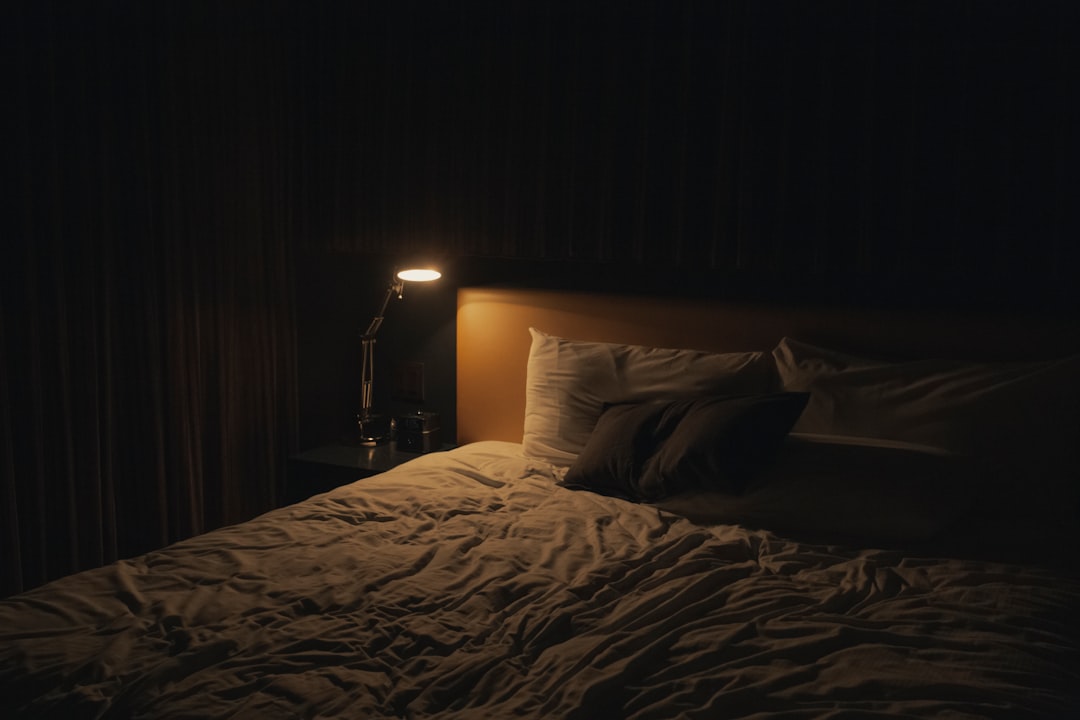
There’s a reason this happens at a predictable hour instead of randomly through the night. Sleep runs in roughly 90-minute cycles, and the back half of the night has proportionally more light sleep and REM — both are easier to wake out of than deep sleep. Cortisol, your alertness hormone, also begins its natural rise in the early morning hours, well before your alarm. Put a light sleep stage and a rising cortisol curve together around 3-4am, and a small disturbance — noise, a dream, a full bladder, a warm room — is enough to fully wake you.
The waking itself is normal. What turns it into an hour of staring at the ceiling is what happens in the next sixty seconds.
If you are past your mid-forties and this is a newer pattern, age is part of the picture: deep sleep shortens and the night gets lighter, so there are simply more points at which a small disturbance can wake you. Our guide to healthy sleep after 45 covers what changes and which parts still respond to adjustment.
The mistake that keeps you up: checking the time
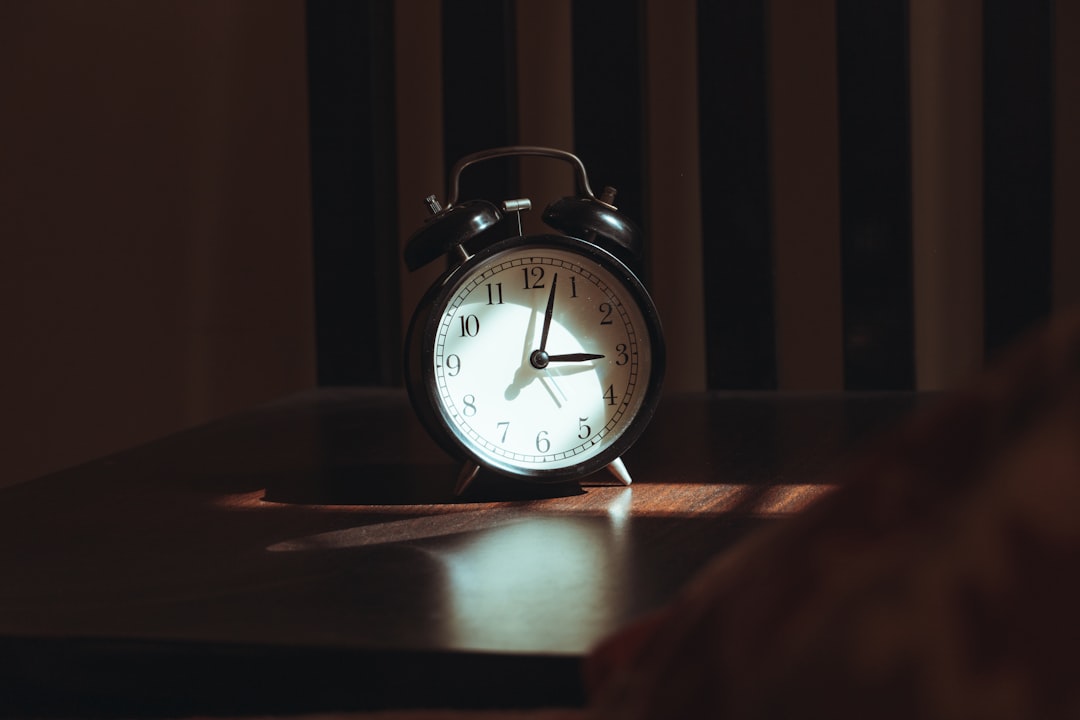
Reaching for your phone or turning to look at the clock does two things, both bad. It exposes you to light, which suppresses the melatonin you still have circulating. And it hands your brain a number to calculate against — “I have to be up in four hours” — which is one of the fastest ways to spike alertness and stress hormones right when you need to be calming down.
- Don’t look at the clock. If you woke up, you woke up — the exact time doesn’t change what you should do next.
- Don’t pick up your phone. Screen light and email/social media are two of the fastest ways to fully wake a brain that was still half-asleep.
- Stay lying down, eyes closed, in the dark. Give your body the chance to drift back down before you decide it’s a real waking.
Calm the body, and the mind tends to follow
Trying to force yourself back to sleep almost always backfires — it adds pressure, and pressure is the opposite of what falls you asleep. Instead, work the body first:
- Slow your breathing. Try a 4-7-8 pattern: inhale for 4 seconds, hold for 7, exhale for 8. Slower breathing signals your nervous system that there’s no threat.
- Relax muscle by muscle. Starting at your feet, consciously loosen each muscle group up through your body. Racing thoughts often settle once physical tension does.
- If your mind is looping on a worry, keep a notepad by the bed. Write the one-line thought down and tell yourself you’ll deal with it in the morning — it gets your brain to stop rehearsing it.
If your mind won’t switch off
Some nights the body settles but the mind keeps racing — replaying a conversation, running through tomorrow’s to-do list, or just refusing to go quiet. That’s the point where a sleep aid can help you fall back asleep instead of losing the rest of the night.
Check first: YU SLEEP contains 5-HTP, which raises serotonin. If you take an antidepressant (SSRI, SNRI or MAOI), a migraine triptan or tramadol, ask your prescriber before trying it. Not for pregnancy or breastfeeding.We researched YU SLEEP, a 9-ingredient liquid formula built to help a racing mind wind down and get you back to sleep faster — without the grogginess some sleep aids leave behind if you take them mid-night. It’s not something to reach for every time you stir; it’s for the nights your mind genuinely won’t stop.
Check price and availability →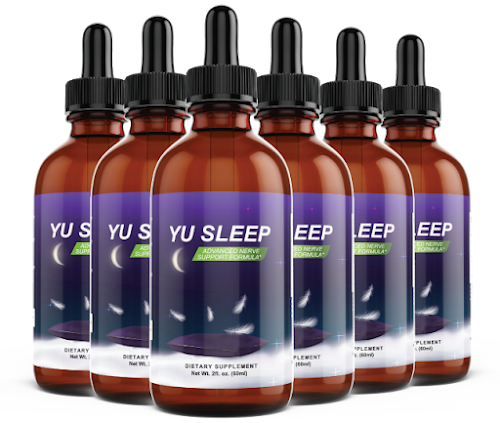
If it happens most nights, not just occasionally
An occasional 3am wake-up is normal sleep architecture. If it’s happening most nights and you’re lying awake for 30+ minutes regularly, a few daytime habits tend to be the real drivers:
- Alcohol before bed — the big one. A 2013 review in Alcoholism: Clinical and Experimental Research found alcohol shortens the time it takes to fall asleep at every dose, then increases sleep disruption in the second half of the night, delays and cuts REM, and can worsen sleep apnoea. If you have a drink to get under and then surface at 3am, that is not bad luck — that is the mechanism. What to swap it for.
- Caffeine after early afternoon. It has a longer half-life than most people expect, and can thin out deep sleep hours later.
- An irregular wake time. A shifting schedule confuses your circadian rhythm, making the back half of the night less stable. (More: Resetting Your Circadian Rhythm.)
- A warm room. Your body needs to cool down to stay asleep; a room that’s too warm is a common, fixable trigger for early waking.
- Waking to use the bathroom. If the bladder is what wakes you rather than the other way round — a pattern that is especially common in women from midlife on — the fix depends on whether it is really a bladder problem or a sleep problem. This guide to why women wake up to pee at night walks through how to tell the difference.
Related reading: The Perfect Evening Wind-Down Routine and Resetting Your Circadian Rhythm.
Your 3am toolkit
| The problem | The tool | |
|---|---|---|
| Mind racing, can’t fall back asleep | YU SLEEP | Check price → |
Frequently asked questions
Is waking up at 3am a sign of a health problem?
Occasional waking is normal sleep architecture, not a red flag. If it happens most nights along with loud snoring, gasping, or ongoing daytime exhaustion, it’s worth mentioning to a doctor.
How long should I try to fall back asleep before getting up?
If you’ve been lying awake, calm and in the dark, for more than about 20 minutes, get up briefly, do something quiet and dim, and go back to bed when you feel drowsy again.
Does looking at the clock really make a difference?
Yes — it’s a small habit with an outsized effect. The light exposure and the mental math both work against you at the exact moment you need to be calming down.
Should I get up and do something instead of lying there?
If you’re calm and drowsy, stay put. If you’re wired and frustrated after 20 minutes, get up, keep the lights low, and do something boring until you feel sleepy again.
Disclosure: Sleep Align is reader-supported and independent. Some links are affiliate links, and if you buy through them we may earn a commission at no extra cost to you. We only recommend products we have researched in depth and assessed against the manufacturer’s published information and independent research. This article is general information, not medical advice; talk to your doctor about persistent pain or sleep problems.