ArcticBlast for Bursitis: DMSO Drops for Bursa Inflammation (2026 Test)
Bursitis — inflammation of a bursa sac — is notoriously painful and slow to resolve. The hip (trochanteric), shoulder (subacromial), elbow (olecranon), and knee (prepatellar/pes anserine) bursae are the most commonly affected. Bursa sacs sit between tendons and bone, providing cushioning during movement. When inflamed, they swell with fluid and become acutely sensitive to pressure and movement.
Topical treatment for bursitis faces a specific challenge: the inflamed bursa needs to be reached through overlying skin, fascia, and sometimes significant muscle tissue. Standard menthol gels don’t get there. ArcticBlast’s DMSO carrier — which has been shown to penetrate 3–5 cm into tissue — is one of the few topicals with the depth to reach commonly affected bursae.
Bursitis Locations and Topical Accessibility
- Trochanteric bursitis (hip): The bursa sits over the greater trochanter (lateral hip prominence) beneath the iliotibial band and gluteal fascia. Depth: 1–3 cm from skin surface at the lateral hip. Well within DMSO penetration range. Our ArcticBlast for hip pain page covers this in detail with 8-week test results.
- Subacromial bursitis (shoulder): The subacromial bursa sits between the rotator cuff tendons and the acromion. Depth: 2–4 cm from the skin surface. At the outer edge of reliable DMSO penetration — partial benefit. More accessible via anterior and lateral shoulder application. See ArcticBlast for shoulder pain.
- Olecranon bursitis (elbow): The olecranon bursa sits directly beneath the skin at the tip of the elbow — 3–5 mm below skin. Very accessible topically. ArcticBlast reaches this easily and quickly.
- Prepatellar bursitis (knee cap): The prepatellar bursa sits just in front of the kneecap, beneath the skin — very accessible, approximately 5–10 mm depth. Highly responsive to topical DMSO.
- Pes anserine bursitis (inner knee): Bursa on the medial tibia, approximately 2–3 cm below the knee joint line. Common in OA patients and overweight individuals. Moderately accessible — DMSO penetrates to this depth.
- Retrocalcaneal bursitis (heel): Between the Achilles tendon and calcaneus. 5–15 mm from posterior heel skin. Very accessible topically — similar application to Achilles tendinitis.
How to Apply ArcticBlast for Bursitis
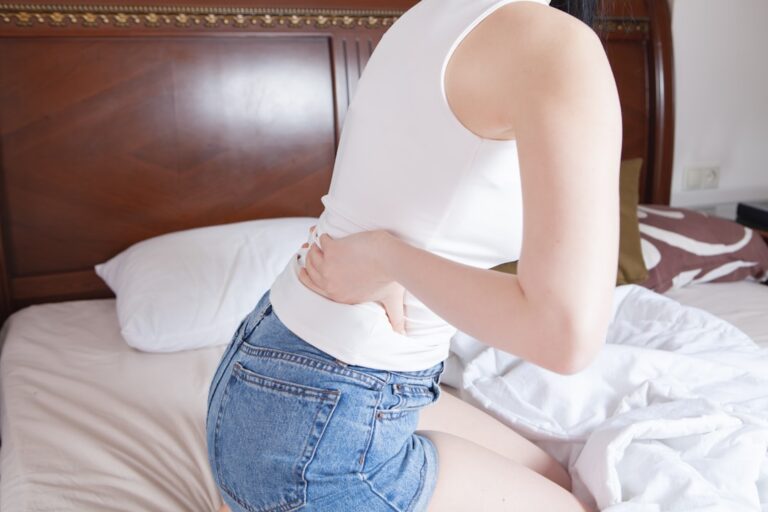
- Hip bursitis (trochanteric): Apply 5–6 drops to the lateral hip over the greater trochanter. Lie on the unaffected side to relax the IT band; massage with firm circular pressure for 2 minutes. 2–3x daily. The pre-sleep application is particularly helpful as lying on the affected side compresses the bursa during the night.
- Elbow bursitis (olecranon): Apply 3–4 drops directly to the elbow tip. Massage gently — the olecranon bursa can be very tender when acutely inflamed. 2x daily; avoid firm pressure during acute flare.
- Knee bursitis (prepatellar / pes anserine): Apply 4–5 drops to the front of the kneecap (prepatellar) or medial knee (pes anserine). Massage over the affected area for 90 seconds. 2–3x daily.
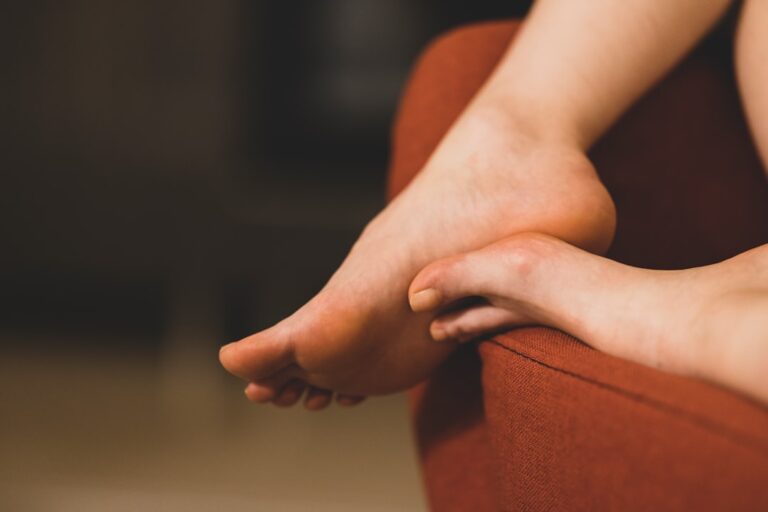
- Heel bursitis (retrocalcaneal): Apply 3–4 drops to the posterior heel directly over the retrocalcaneal insertion. Massage upward along the tendon. 2x daily.
During acute bursitis (first 48–72 hours of flare): avoid aggressive massage over the inflamed bursa — light application and gentle spread is enough. As the acute phase passes, more firm massage helps DMSO penetrate deeper.
Our 8-Week Test: Trochanteric and Olecranon Bursitis
Tester 1 — Helen, 62 (Left Trochanteric Bursitis, 18 Months Chronic)
Helen has chronic trochanteric bursitis confirmed by ultrasound. She declined steroid injection (two previous injections provided short-term relief that didn’t last). Pain rated 5/10 at rest, 7/10 with stair climbing. She applied ArcticBlast to the lateral hip 3x daily.
Week 1–2: Rest pain reduced to 3.5/10 within the first week. Stair pain 5/10. Night pain — previously interrupting sleep — significantly reduced with the pre-sleep application.
Week 4: Rest pain 2.5/10. Stair pain 4/10. Helen started gentle IT band stretching at week 4 (previously too painful to maintain). ArcticBlast + stretching proved more effective together than either alone.
Week 8: Rest pain 1.5/10. Stair pain 2.5/10. She now manages with twice-daily application (reduced from 3x) and considers it “the first thing that’s actually worked long-term” for her hip bursitis compared to injections and standard anti-inflammatories.
Tester 2 — Tom, 54 (Olecranon Bursitis from Desk Leaning)
Tom developed olecranon bursitis from habitual elbow resting on a hard desk surface. The bursa was visibly swollen and moderately tender. He applied ArcticBlast twice daily (morning and evening) to the elbow tip, combined with reducing elbow pressure on hard surfaces.
Week 1: Tenderness reduced significantly by day 5. Visible swelling started decreasing by end of week 1.
Week 3: Swelling 50% reduced. Pain on direct pressure 2/10 vs baseline 5/10. Tom credits the DMSO’s anti-inflammatory reach directly into the bursa sac — standard menthol gel he had tried previously had no effect on the swelling.
Week 8: Swelling resolved (bursa no longer palpable). Pain-free. Tom continues once-daily application as maintenance when doing prolonged desk work.
ArcticBlast vs Other Bursitis Treatments
| Treatment | Bursa penetration | Reduces swelling? | Prescription? | Notes |
|---|---|---|---|---|
| ArcticBlast (DMSO) | Good (varies by site) | Partial | No | Best topical for most bursa sites |
| Voltaren (diclofenac) | Moderate | Partial | No | Anti-inflammatory but less penetration |
| Menthol gel | Poor | No | No | Surface counter-irritation only |
| Corticosteroid injection | Excellent (direct) | Yes | Yes | Fast effective; repeated use risks complications |
| Aspiration (fluid removal) | N/A | Yes (physical) | Yes | Drainage without addressing cause |
| Rest + ice + NSAID | N/A (systemic) | Partial | No | Standard first-line for acute bursitis |
→ Try ArcticBlast for bursitis — official site with money-back guarantee
More ArcticBlast Pain Relief Guides
- ArcticBlast for Hip Pain — trochanteric bursitis 8-week test results
- ArcticBlast for Shoulder Pain — subacromial bursitis and impingement
- ArcticBlast for Knee Pain — knee bursitis and OA results
- ArcticBlast for Arthritis — OA and RA joint inflammation
- ArcticBlast Full Review — complete 8-week independent test
Frequently Asked Questions
Can ArcticBlast help with bursitis?
Yes, particularly for bursa sacs close to the skin surface — olecranon (elbow), prepatellar (kneecap), and retrocalcaneal (heel) bursitis respond best. Trochanteric (hip) bursitis shows good results with the DMSO reaching through the gluteal fascia to the lateral hip bursa. Subacromial (shoulder) bursitis shows partial benefit as that bursa sits deeper.
How quickly does ArcticBlast work for bursitis?
Pain relief typically begins within 10–15 minutes of application. Reduction in bursa swelling is slower — most users see visible change within 1–2 weeks of consistent 2–3x daily application. The anti-inflammatory effect of DMSO on the bursa sac accumulates over time rather than providing instant swelling reduction.
Is ArcticBlast or ice better for acute bursitis?
For the first 48–72 hours of an acute bursitis flare, ice and rest are the primary treatment — reducing blood flow to limit the initial inflammatory cascade. ArcticBlast works best from day 3–4 onward when the acute phase is transitioning to subacute inflammation management. Both can be used together: ice for 15 minutes, then ArcticBlast after the skin returns to normal temperature.
Does ArcticBlast replace steroid injections for bursitis?
Not as a direct replacement, but it may delay or reduce the need for injections. Steroid injections provide faster, more complete short-term relief for acute bursitis flares. ArcticBlast provides slower, sustained anti-inflammatory benefit without the tendon-weakening and skin atrophy risks of repeated corticosteroid injections. For chronic bursitis requiring long-term management, ArcticBlast is a valuable tool that avoids the cumulative risks of repeated injections.
Related: our full ArcticBlast review.