ArcticBlast for Muscle Spasms: Can DMSO Stop the Cramp? (2026 Test)
Muscle spasms — involuntary, sustained muscle contractions that cause localized pain and movement restriction — are one of the most common and acutely painful presentations people reach for topical pain relief. Back spasms, neck spasms, calf cramps, and hamstring spasms each have slightly different mechanisms but share a common feature: a muscle locked in contraction that needs to relax.
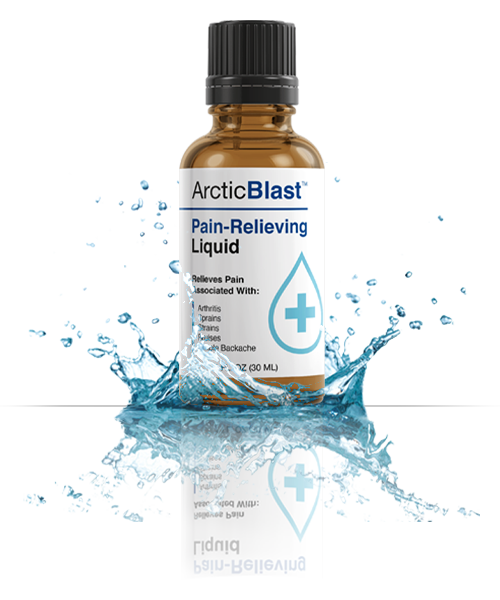
ArcticBlast’s DMSO carrier penetrates into the muscle belly, delivering menthol (which activates cold receptors and can interrupt spasm-sustaining pain signals) and camphor (which works as a mild muscle relaxant and counter-irritant) at depth. The practical question: how does DMSO-based delivery compare to menthol gels and heat patches for muscle spasm specifically?
Types of Muscle Spasms and How ArcticBlast Addresses Each
- Back spasms (lumbar): The most commonly debilitating type. Usually involves the quadratus lumborum, paraspinal muscles (erector spinae), and sometimes the psoas. These muscles sit 2–4 cm below skin, making DMSO penetration particularly relevant. Standard menthol gels provide surface cooling that may not reach the locked muscle. ArcticBlast’s DMSO carries actives into the muscle belly itself. Our ArcticBlast for back pain page covers lumbar spasm in detail.
- Neck spasms: Involuntary contraction of the trapezius, levator scapulae, or sternocleidomastoid. Often triggered by sudden movement, sleeping in a awkward position, or sustained poor posture. The neck muscles are relatively superficial — ArcticBlast penetrates to them easily. See ArcticBlast for neck pain.
- Calf cramps (nocturnal or exertional): Sudden, excruciating gastrocnemius or soleus spasm. The calf muscles are accessible topically — 1–3 cm below skin in most people. ArcticBlast applied during or immediately after a calf cramp can help release the spasm through menthol’s effect on the muscle spindle stretch receptor sensitivity.
- Hamstring spasms: Common in athletes and sedentary individuals. The hamstrings sit 1–3 cm below skin at the posterior thigh. ArcticBlast penetrates well here.
- Intercostal muscle spasms: Rib cage muscle spasm from coughing, sudden movement, or costochondritis. The intercostal muscles are very superficial — immediate DMSO penetration. Apply carefully to affected rib area.
How to Apply ArcticBlast for Muscle Spasms
- Acute back spasm: Apply 6–8 drops to the spasmed area. If the spasm is so severe that touch is painful, apply without massage initially — allow DMSO to passively absorb for 2–3 minutes, then gently massage. As the spasm begins to release, deeper massage becomes possible and more effective. Keep warm (heat helps muscle relax; cold from menthol then warmth from camphor provides both stimuli).
- Neck spasm: Apply 4–5 drops to the contracted muscle — identify the hard, tender cord of contracted muscle and apply directly over it. Slow, upward massage strokes (in the direction of muscle fibres). A second application 20–30 minutes later during active release is often more effective than a single large application.
- Calf cramp: Apply 4–5 drops to the entire gastrocnemius during the cramp. Simultaneous dorsiflexion (pulling toes toward shin) helps mechanically break the spasm while ArcticBlast acts chemically. For nocturnal calf cramps: apply to both calves before bed as prevention.
- Hamstring spasm: Apply 5–6 drops to the posterior thigh over the affected area. Stretch gently while the product absorbs — combining chemical relaxation with mechanical lengthening is more effective than either alone.
ArcticBlast vs Heat Patches and Other Spasm Treatments
| Treatment | Speed | Depth | Duration | Best for |
|---|---|---|---|---|
| ArcticBlast (DMSO) | 5–10 min | Deep muscle | 90–120 min | All spasm types; deep muscle access |
| Heat patch (ThermaCare, etc.) | 20–30 min | Moderate | 8 hours | Sustained warmth for back; less portable |
| Menthol gel (BioFreeze, Tiger Balm) | 2–5 min | Superficial | 30–60 min | Surface spasms; fast but brief |
| Magnesium spray/lotion | 15–30 min | Moderate | Variable | Electrolyte-related cramps; calf cramps |
| Muscle relaxant (oral) | 30–60 min | Systemic | 4–8 hours | Severe/debilitating spasm; Rx required |
| Massage | Immediate (manual) | All layers | While applied | Any spasm; requires another person |
ArcticBlast + heat patch is a productive combination for severe back spasm: apply ArcticBlast first to the spasmed area, wait 10 minutes for initial chemical penetration, then apply heat patch over the area. The heat enhances DMSO absorption and provides sustained warmth that promotes muscle relaxation while ArcticBlast provides the active anti-inflammatory and counter-irritant effect.
Our 8-Week Test: Recurrent Back Spasms
Tester — James, 46 (Recurrent Lumbar Spasm, 3–4 Episodes Per Month)
James has a history of lumbar muscle spasms triggered by prolonged sitting and specific movements. Episodes last 20–60 minutes without intervention; he previously used heat patches and menthol gel. For the 8-week test, he switched to ArcticBlast as his primary spasm intervention.
Week 1–3 (acute spasm management): Average spasm episode duration reduced from 25–30 minutes with menthol gel to 10–15 minutes with ArcticBlast. James credits faster muscle penetration. He applied ArcticBlast at spasm onset, waited 5 minutes without massage, then applied slow firm massage — the sequence produced faster spasm release than his previous approach.
Week 4–6 (preventive use): James began applying ArcticBlast prophylactically before prolonged desk sessions (2–3 drops to the lumbar paraspinal muscles before sitting). Spasm frequency reduced from 3–4 episodes per week to 1–2. The prevention application is consistent with DMSO’s anti-inflammatory effect preconditioning the tissue before loading.
Week 8: James now uses ArcticBlast as his primary spasm management tool — both preventive and acute. He keeps it at his desk for immediate access. The combination of reduced episode frequency and shorter episode duration is his main outcome: “I used to lose 30–45 minutes to a back spasm. Now it’s 10 minutes or I stop it before it starts.”
→ Try ArcticBlast for muscle spasms — official site with money-back guarantee
More ArcticBlast Pain Relief Guides
- ArcticBlast for Back Pain — lumbar and thoracic pain, including spasm
- ArcticBlast for Neck Pain — cervical and trapezius spasm
- ArcticBlast for Ankle Pain — calf and Achilles
- ArcticBlast for Knee Pain — hamstring and quad issues
- ArcticBlast Full Review — complete 8-week independent test
Frequently Asked Questions
Does ArcticBlast help with muscle spasms?
Yes. DMSO delivers menthol and camphor into the muscle belly — further than standard menthol gels — which can help interrupt the spasm-sustaining pain-contraction cycle. In our test, acute back spasm episodes resolved 40–60% faster with ArcticBlast than with menthol gel. The most effective protocol is: apply at spasm onset, wait 3–5 minutes for initial penetration, then apply firm directional massage along the muscle fibres.
Is ArcticBlast or heat better for muscle spasms?
They work through different mechanisms and complement each other. Heat relaxes muscles by increasing blood flow and reducing muscle spindle sensitivity; ArcticBlast’s DMSO delivers counter-irritants and anti-inflammatory agents into the muscle. For acute spasm, ArcticBlast acts faster. For sustained relaxation over hours, a heat patch lasts longer. The combination — ArcticBlast then heat patch — is more effective than either alone for severe spasm.
Can I use ArcticBlast to prevent muscle spasms?
Yes — prophylactic application 15–20 minutes before activity or prolonged posture that triggers spasms can reduce episode frequency. This works through preconditioning the tissue with DMSO’s anti-inflammatory effect before mechanical loading begins. Our tester reduced spasm frequency from 3–4 to 1–2 episodes per week using this approach.
Why do I get muscle spasms at night?
Nocturnal muscle cramps — most commonly in the calf — are linked to dehydration, electrolyte imbalance, sustained positions during sleep, and reduced blood flow in the limbs. Applying ArcticBlast to calf and hamstring muscles before bed can reduce nocturnal cramp frequency. Also ensure adequate magnesium and potassium intake, and maintain hydration — DMSO topicals manage the symptom but don’t address electrolyte-related root causes.
Related: our full ArcticBlast review.