Best Ergonomic Cervical Pillow for Side Sleepers: What the Contour Actually Does
A cervical pillow for side sleeping has to fill the shoulder-to-ear gap and still be there at 3am. The loft that fits your build, and what is just marketing.


A cervical pillow for side sleeping has to fill the shoulder-to-ear gap and still be there at 3am. The loft that fits your build, and what is just marketing.
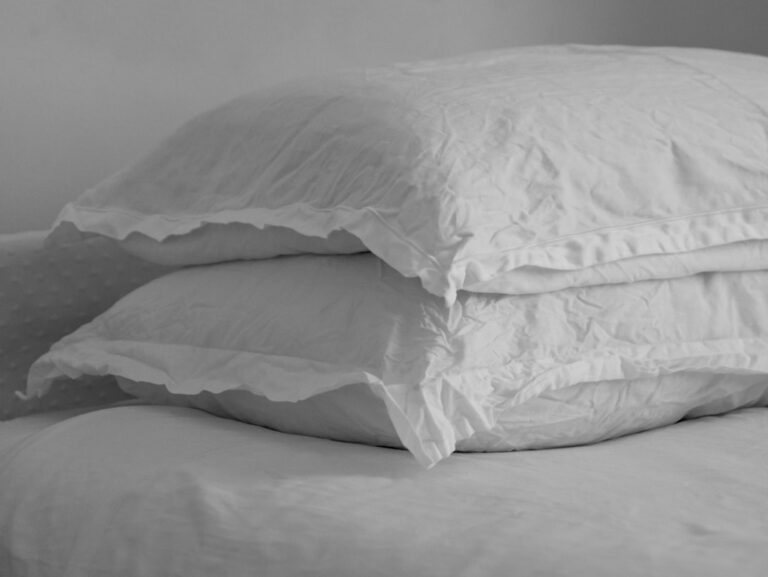
Back sleeper with neck pain? The loft that suits side sleepers makes yours worse. The exact height (3–5 in), the best designs, and our top pick.

Memory foam vs latex for neck pain: support, heat, durability and feel compared, and which one actually kept the neck aligned.

An adjustable pillow lets you set the exact height your neck needs instead of guessing. How to dial it in, and which fills hold their support long-term.
Most cooling pillows go flat within a year. What cooling tech actually works, which materials hold their support, and what hot sleepers with neck pain need.

A pinched nerve needs precise pillow height to decompress the nerve root overnight. What works for cervical radiculopathy, and the sleep positions that matter most.

Waking up with neck pain every morning? 7 targeted fixes — pillow height, sleep position, daytime posture, morning mobility, and when to see a professional.

Buckwheat shifts to your shape. Memory foam holds firm. We compared both for neck pain using design analysis and buyer reports, and one suits far more sleepers.

Cervical stenosis needs a neutral neck all night: 7-10 cm of loft on your back, 10-14 cm on your side. What to look for, what to avoid, and our top pick.
Neck pain from a new pillow is normal for 3–7 nights — but not longer. The night-by-night adjustment timeline, and the signs your pillow is actually wrong.
Researched picks, one for each part of the problem