
Quick answer: After 45, sleep gets lighter and more broken, joints and muscles are less forgiving of a bad pillow or position, and overnight temperature regulation becomes less smooth – but each of those responds to targeted changes. Start with overnight support: a supportive, correctly-lofted pillow that keeps your head and spine neutral. Then treat localised pain before bed with gentle stretching and a topical, rather than lying there hoping it settles. Rebuild deep sleep with strong evening cues – dim the lights an hour before bed, cool the room to around 65F / 18C, and keep a consistent wake time. In the daytime, get ten minutes of morning light, move a little daily, keep caffeine to early afternoon and limit late alcohol.
Sleep changes as you get older, and so does how your body handles it. Here is what actually shifts after 45, and a practical plan to sleep deeper and wake up without the aches.

What actually changes after 45
It is not your imagination, sleep really does get harder to come by. A few things shift at once:
- Lighter, more broken sleep. You spend less time in the deepest, most restorative stages, so you wake more easily.
- More aches and stiffness. Joints and muscles are less forgiving, so a bad pillow or sleep position hurts more than it used to.
- Temperature and hormones. Your body regulates overnight temperature less smoothly, which fragments sleep.
The good news: each of these responds well to a few targeted changes. You do not need to accept bad sleep as part of getting older.
1. Protect your neck and joints overnight
After 45, overnight alignment matters more, not less. Eight hours with your neck bent strains tissue that recovers slowly. The single highest-leverage fix is a supportive, correctly-lofted pillow that keeps your head and spine neutral. The one we recommend is the Derila Ergo, a contoured memory-foam pillow that supports side and back sleepers and that buyers report holds its shape instead of going flat. Full write-up: our Derila Ergo review.
Check the Derila Ergo price →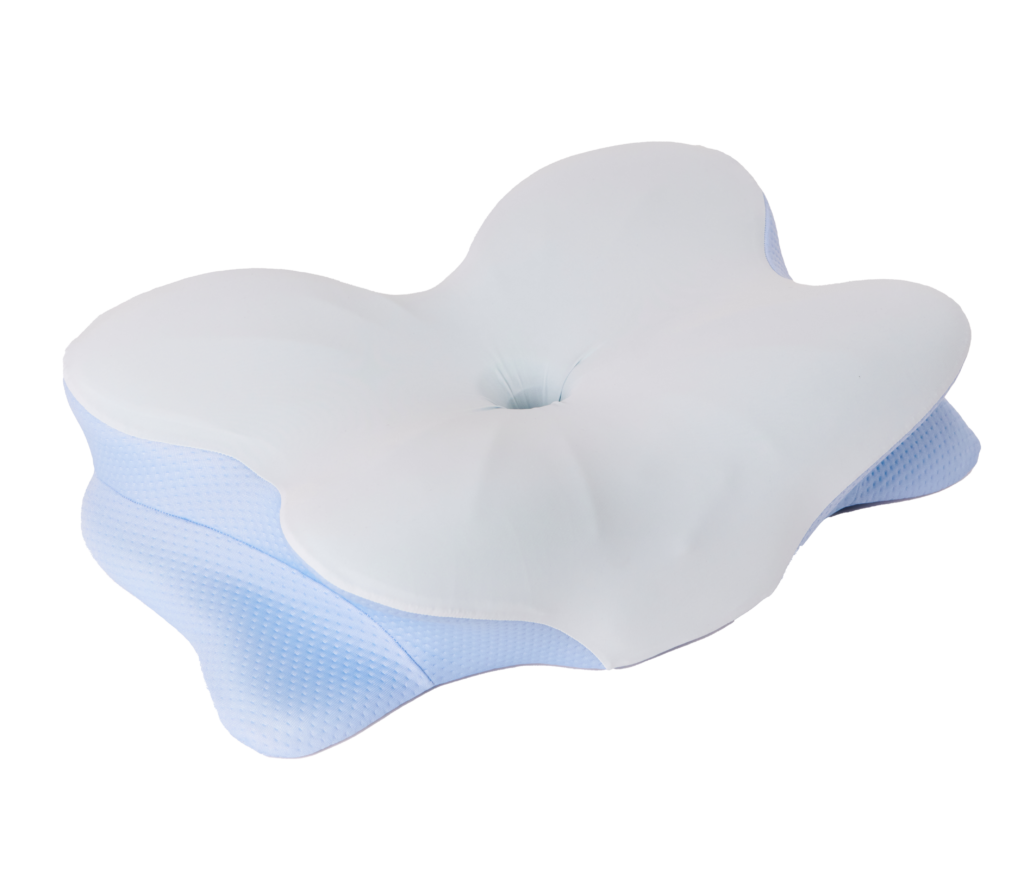
2. Manage the aches that wake you
If neck, shoulder, back, or joint pain is pulling you out of sleep, treat it before bed rather than lying there hoping it settles. Gentle stretching helps, and for localized pain, a diclofenac gel (Voltaren) has the best evidence for the arthritis-type aches that get more common with age, and a patch is the format that stays on through the night. Which to use for which pain: our topical pain relief comparison.
3. Rebuild deep, restorative sleep
To claw back deeper sleep, give your body strong evening cues: dim the lights an hour before bed, cool the room to around 65F / 18C, and keep a consistent wake time. Magnesium supports relaxation and many people over 45 run low on it. On the harder nights, the option we point people to is YU SLEEP, a liquid formula designed to help you fall asleep faster without the next-morning grogginess that makes older adults wary of sleep aids.Check first: YU SLEEP contains 5-HTP, which raises serotonin. That matters more after 45, when more people take antidepressants (SSRI, SNRI or MAOI), migraine triptans or tramadol. If you take any of these, ask your prescriber before trying it.
Check YU SLEEP price and availability →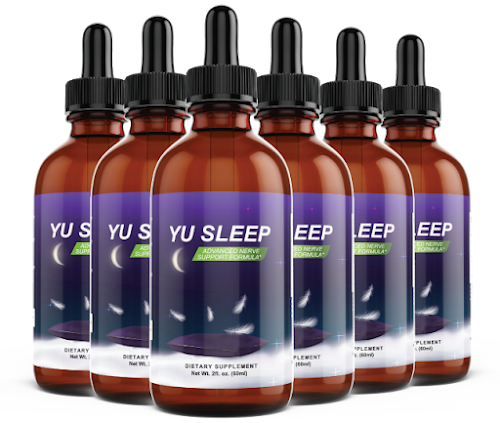
4. Daytime habits that pay off at night
- Morning light. Ten minutes of daylight early anchors your body clock and strengthens nighttime melatonin.
- Move a little every day. Gentle daily movement improves sleep depth and eases joint stiffness.
- Mind your caffeine. After 45 caffeine lingers longer, so keep your last cup to early afternoon.
- Watch late alcohol. It helps you fall asleep but wrecks the second half of the night.
Your after-45 sleep toolkit
| The problem | The tool | |
|---|---|---|
| Waking up stiff and sore | Derila Ergo pillow | Check price → |
| Aches that wake you at night | A pharmacy topical | Compare the options → |
| Light sleep, hard to drift off | YU SLEEP liquid formula | Check price → |
Frequently asked questions
Is worse sleep just a normal part of aging?
Some change is normal, but poor, painful sleep is not something you have to accept. Alignment, pain management, and a consistent routine make a real difference at any age.
Where should I start?
Fix overnight support first (the pillow), then add pain relief and better evening habits. Layer in a sleep aid only if you still struggle to drift off.
Related reading: The Complete Guide to Pain-Free Sleep and The Perfect Evening Wind-Down Routine.
One change after 45 rarely appears in general sleep advice: how often the bladder, not the pillow, is what wakes you. It follows a reasonably predictable pattern from one decade to the next, which HerWellReport maps in bladder changes by decade — worth reading if you are trying to work out whether your broken nights are a sleep problem or a bladder one.
Disclosure: Sleep Align is reader-supported and independent. Some links are affiliate links, and if you buy through them we may earn a commission at no extra cost to you. We only recommend products we have researched in depth and assessed against public buyer feedback. This article is general information, not medical advice; talk to your doctor about persistent pain or sleep problems.