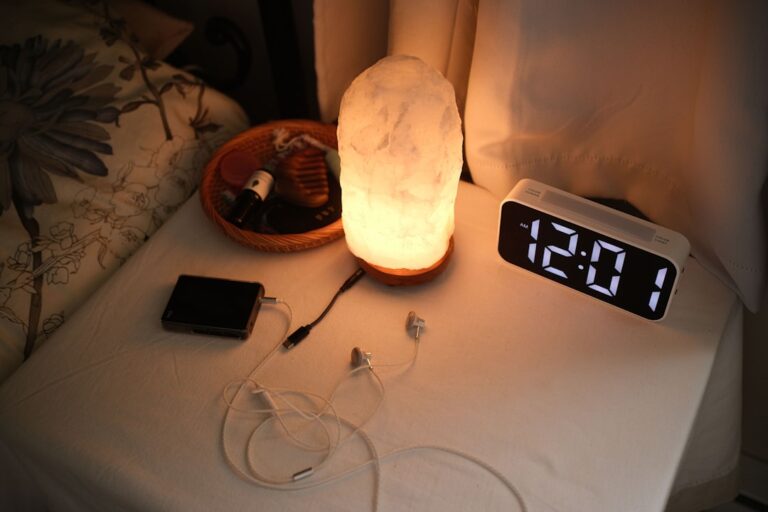

Sleep Hygiene: The 10-Minute Evening Routine That Will Transform Your Mornings
Most sleep advice focuses on what happens in bed. But the 10 minutes before you get there might be the most powerful lever you have for transforming your mornings. A consistent pre-sleep routine signals your nervous system that it’s time to wind down — and the difference it makes to how you feel the next morning is remarkable. Here’s a simple, science-backed 10-minute routine you can start tonight.
⭐ Our #1 Recommended Pillow — proper cervical support that actually holds through the night.
Why Your Evening Routine Matters
Sleep doesn’t switch on like a light. Your brain needs a gradual transition from alert, waking activity to the relaxed state that allows deep sleep. When you skip directly from scrolling your phone to trying to fall asleep, you’re fighting your own neurobiology. A short wind-down routine creates the conditions for deeper, more restorative sleep — which means waking up with more energy, clarity, and less pain.
The 10-Minute Routine
Minutes 1–2: Dim Everything Down
Bright light — especially blue-spectrum light from screens — suppresses melatonin production. About 10 minutes before bed, dim your lights or switch to warm, low lighting. If you use a phone or tablet in the evening, enable Night Mode or use blue-light blocking glasses. This two-minute step alone can meaningfully improve how quickly you fall asleep.
Minutes 3–4: Put the Phone Away
Put your phone in another room, or at minimum, flip it face-down and turn off notifications. The goal isn’t just to avoid blue light — it’s to stop the mental stimulation of social media, news, and messages. Your brain can’t properly begin its wind-down while processing new information. Charge your phone outside the bedroom if possible. Most people find this single change improves their sleep faster than any supplement.
Minutes 5–6: Do a Brain Dump
Lying awake with racing thoughts is one of the most common sleep complaints. The fix is simple: spend two minutes writing down everything on your mind — tomorrow’s tasks, worries, ideas, anything. This “externalises” your mental to-do list and signals to your brain that these things have been captured and don’t need to be rehearsed all night. A small notebook on the nightstand is all you need.
Minutes 7–8: Light Stretching
Two minutes of gentle neck and shoulder stretches activates the parasympathetic nervous system — your body’s “rest and digest” mode. Try slow neck rolls, a gentle chin tuck, and a seated forward fold. These movements also release tension that accumulates in the muscles around the cervical spine during the day, which directly reduces the chance of waking up with neck pain.
Minutes 9–10: Optimise Your Sleep Environment
Take 60 seconds to check three things: room temperature (the ideal sleep temperature is 65–68°F / 18–20°C), darkness (block out any light sources), and your pillow position. Make sure your pillow is properly supporting your neck for your intended sleep position. This final check takes under a minute but ensures your body starts the night in the right alignment — so you’re not compensating with muscle tension for the next 8 hours.
The Role Your Pillow Plays
No amount of evening routine will fully compensate for a pillow that’s misaligned for your sleep position. Think of your routine as preparing your mind and your pillow as preparing your body. Both need to be right. If you’re waking up in pain despite a consistent routine, the pillow is the next thing to examine. Our Derila ERGO review covers exactly what to look for.
Start tonight. The routine takes 10 minutes, costs nothing, and the results typically show up within the first week.
Further Reading
- Signs Your Pillow Is Destroying Your Sleep
- Best Pillow for Neck Pain
- Our top pillow recommendation →
Frequently Asked Questions
When should I stop using screens before bed?
Aim for 60-90 minutes before sleep. If that is not possible, blue-light blocking glasses and dimming your screen help reduce the impact on melatonin.
Does magnesium actually improve sleep?
Magnesium glycinate has the strongest research support. 200-400mg taken 30-60 minutes before bed can reduce insomnia symptoms and promote relaxation.
What is the ideal bedroom temperature for sleep?
65-68F (18-20C). Your body needs to drop its core temperature to fall asleep, and a cool room accelerates this process.