
YU SLEEP for Shift Workers: How to Sleep When Your Schedule Fights Back (2026)
Quick answer: Shift work is the hardest sleep problem on this site, and no supplement solves it — the schedule is the problem. What a low-dose melatonin can do is help you fall asleep at a biologically wrong hour, and YU SLEEP’s 0.9mg sits in the range research supports for that. Its calming ingredients — L-theanine, apigenin, GABA, lemon balm, magnesium glycinate — target the wired-but-exhausted state that makes daytime sleep so miserable. It does not contain ashwagandha, valerian or passionflower whatever other articles say. Light control matters more than anything you swallow, and if you take antidepressants or triptans the 5-HTP in this rules it out without medical approval. From $138 for two months, 60-day guarantee.
YU SLEEP for Shift Workers: How to Sleep When Your Schedule Fights Back
Shift work is a permanent state of social jet lag. Here is what actually helps, what a supplement can and cannot do about it, and the protocol for night, rotating and early shifts.
See today’s price — from $138 → ✓ From $138 · 60-day money-back guarantee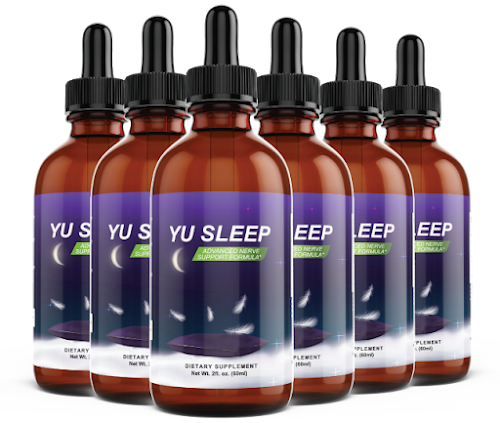
Your circadian rhythm is anchored to a biological schedule your job actively opposes. Daytime sleep after a night shift is shorter, lighter and less restorative even when you are exhausted, because light, noise and your own rising cortisol all work against you. A supplement can help you fall asleep at the wrong hour. It cannot move your body clock — only light timing does that — and it cannot make daytime sleep as restorative as night sleep. Anyone selling you more than that is overselling.
The Three Problems, and What in the Formula Addresses Them
Worth correcting first, because most write-ups get it wrong: YU SLEEP contains no ashwagandha, valerian or passionflower.
Problem 1: Your melatonin is suppressed exactly when you need it
What happens: your own melatonin is triggered by darkness and killed by light. You drive home in daylight, your bedroom is never fully dark, and your cortisol is climbing by the time you lie down.
What helps: 0.9mg of melatonin supplies the signal your environment is suppressing, at a dose low enough not to leave you foggy for the next shift. This is the ingredient doing the real work for shift sleep.
Problem 2: Cortisol is elevated at your bedtime
What happens: your cortisol curve still follows biological time, peaking around 8am — often precisely when a night worker is trying to sleep.
What helps: lemon balm is the formula’s cortisol-related ingredient, with modest trial support for stress and anxiety. Be realistic: the evidence here is weaker than for the melatonin, and it works over weeks rather than nights.
Problem 3: Wired but exhausted
What happens: daytime sleep is physiologically lighter, and your brain expects to be awake. Any noise, light leak or worry about oversleeping trips the alert response.
What helps: L-theanine promotes alpha brainwave activity and has the best human evidence of the calming ingredients here; apigenin and GABA work the same side; magnesium glycinate supports sleep depth in whatever window you get.
Protocols by Shift Type
Sleeping in the Day
Take it about 30 minutes before you actually intend to sleep, once you are home. Wear dark wraparound sunglasses on the commute home — this matters more than the supplement, because morning light tells your clock to wake up for the day. Blackout the room properly and use white noise. Protect a 6-7 hour window and tell the household it is not negotiable.
The Hardest Pattern
Physiologically the worst, because your clock never gets to settle before the schedule flips. Melatonin is most useful here simply as a sleep-onset aid at whatever hour you need it, rather than as a body-clock tool. Be honest with yourself that consistency is impossible on this pattern — the goal is getting enough total sleep, not a perfect rhythm.
5-6am Starts
You need to fall asleep at 8-9pm while your body still thinks it is afternoon. Take it about 30 minutes before that target bedtime and cut bright light after about 6pm so your own melatonin can start earlier. Morning light on waking helps lock the earlier rhythm in.
$138 for two months, $177 for three, $294 for six — 60-day money-back guarantee.
See today’s price — from $138 → Prices at the time of writing · set by the seller and subject to changeDrowsy Driving — Please Read This Bit
The old version of this page said there was "no impairment concern" driving after taking it. That was too glib and we have removed it.
YU SLEEP contains no antihistamines, so it does not leave the residual sedation that products like ZzzQuil or Unisom do, and 0.9mg of melatonin clears quickly. That much is true. But drowsy driving is one of the genuine occupational hazards of shift work, and the risk factor is short or broken sleep, not the supplement. If you feel impaired, do not drive — take a nap first, or arrange a lift. No supplement is a green light.
What Matters More Than the Supplement
Blunt truth: get these right and a supplement is a useful extra. Get them wrong and no supplement will rescue it.
- Blackout the bedroom properly. Not curtains that mostly work — properly. Darkness is the strongest signal you have.
- Dark glasses on the drive home from a night shift. This single habit does more for daytime sleep than most people expect.
- Protect the window. Phone off, household briefed, deliveries paused. Interrupted daytime sleep is barely sleep.
- Stay closer to your shift schedule on days off. Flipping back to normal hours every weekend restarts the conflict every single week.
- Cut caffeine at least 6 hours before your sleep window, whatever the clock says.
- A 20-minute nap before a night shift is one of the best-evidenced alertness tools there is.
When to See a Doctor Instead
Shift work sleep disorder is a recognised circadian rhythm disorder, not just tiredness. If you are consistently unable to sleep in your window, falling asleep unintentionally during shifts, or your alertness is impaired enough to worry you, that is a medical conversation, not a supplement purchase. Say the words "shift work sleep disorder" to your GP — it gets taken more seriously than "I’m tired".
Before You Buy — Medication Check
YU SLEEP contains 5-HTP, which raises serotonin. Do not combine it with SSRIs, SNRIs, MAOIs, migraine triptans, tramadol or St John’s Wort without your prescriber’s approval. This is worth flagging on this page in particular: rates of depression and antidepressant use are elevated among long-term shift workers. See our interactions guide.
Frequently Asked Questions
Can I take it every day long-term?
These ingredients are not known to cause dependency or rebound insomnia, and 0.9mg is a low melatonin dose. Long-term data on daily melatonin is thinner than anyone would like, so if you are looking at years rather than months, mention it at your next check-up.
Every shift, or only the bad nights?
The fast-acting calming ingredients work whenever you take them, so occasional use gets you that. The slower cortisol side needs consistent use over weeks to be worth anything. If you are only going to use it occasionally, you are mostly paying for the melatonin — which you can buy separately for a fraction of the price.
Is this better than just buying melatonin?
For pure sleep-onset timing, plain 1mg melatonin does that job for a few dollars. The case for the fuller formula is the wired-but-exhausted problem, which melatonin alone does nothing for. If that is your main complaint, the extra ingredients may be worth it; if it is not, save your money.
If the Fuller Formula Fits Your Problem
Check the current price and full label on the official site. From $138 for two months, 60-day money-back guarantee.
See today’s price — from $138 → ✓ 60-Day Guarantee · ✓ Melatonin at 0.9mg · ✓ No AntihistaminesDisclosure: This page contains affiliate links. We may earn a commission at no extra cost to you. I have used YU SLEEP myself and would recommend it; beyond that personal use, the assessment above is based on the ingredient list the seller publishes at the time of writing and on published research, and no per-ingredient amounts other than melatonin are disclosed. Information on shift work sleep is based on published circadian research and is not medical advice. If you have or suspect shift work sleep disorder, consult a doctor. Statements about this product have not been evaluated by the FDA. Individual results vary.