
YU SLEEP Side Effects: What to Know Before You Try It
Quick answer: YU SLEEP is a sublingual liquid the seller describes as containing ten sleep-supporting ingredients, including melatonin at 0.9mg per serving, 5-HTP, GABA, L-theanine, magnesium glycinate, apigenin, lemon balm, red tart cherry extract and vitamins B6 and B2. Reported side effects are generally mild: nausea or mild stomach upset (most often linked to 5-HTP, and usually eased by taking the drops with a small snack), vivid dreams in the first few nights from melatonin, and bright yellow urine, which is a harmless and expected effect of riboflavin. The 0.9mg melatonin dose is well below the 5-10mg in most supermarket tablets, so next-morning grogginess is less likely. The most important caution is 5-HTP: it raises serotonin, so it should not be combined with SSRIs, SNRIs, MAOIs, triptans, tramadol or St John’s Wort without medical supervision. Also speak to your doctor first if you are pregnant or nursing, under 18, have kidney disease, or take sedatives or blood pressure medication.
YU SLEEP Side Effects: What to Know Before You Try It
A complete safety profile for YU SLEEP liquid drops — known side effects, who should be cautious, drug interactions, and what to expect in the first few nights.
→ See YU SLEEP on the official site (60-day guarantee) ✓ 60-day money-back guarantee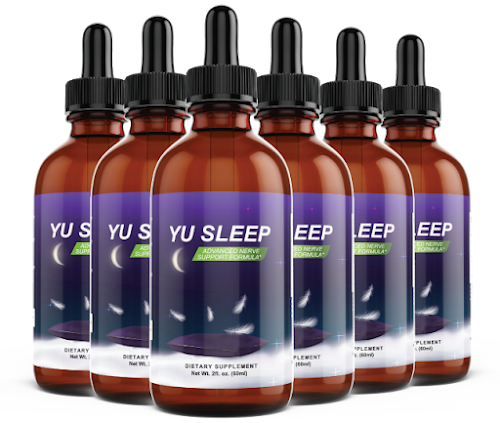
Most of what is in YU SLEEP is well tolerated — melatonin at a genuinely low dose, magnesium, L-theanine, a couple of B vitamins and some plant extracts with long histories of food use. The one ingredient that deserves real attention is 5-HTP, because it acts on serotonin and therefore interacts with a whole class of common prescription medications. If you take an antidepressant or a migraine triptan, that is the section to read. The seller does not publish a full Supplement Facts panel with per-ingredient amounts, so the notes below describe what each compound is known to do rather than what a specific dose in this product will do. That same missing panel sits at the centre of the legitimacy question.
Known Side Effects by Ingredient
5-HTP — the one that matters
Common side effects: Nausea and mild stomach upset are the most frequently reported effects of 5-HTP, and they are dose-dependent. Taking the drops with a small snack often helps.
Important: 5-HTP is converted by the body into serotonin. Combining it with medication that also raises serotonin can cause serotonin syndrome — agitation, rapid heartbeat, sweating, tremor, confusion. This is the single most important safety point on this page. See the drug interactions section below.
Melatonin (0.9mg per serving)
Side effects: Vivid dreams in the first few nights, occasional mild headache, and grogginess if taken too close to waking. All of these are strongly dose-related, and 0.9mg is well under the 5-10mg in most supermarket tablets, so they are less likely here than with a standard melatonin product.
Important: Take it when you are genuinely ready for bed. Taking melatonin and then staying up can leave you feeling disoriented rather than sleepy.
GABA
Side effects: Generally well tolerated by mouth. Occasional reports of transient tingling or breathlessness at high doses. GABA may modestly lower blood pressure, so if you take blood pressure medication, mention it to your prescriber.
Worth knowing: How much orally taken GABA actually reaches the brain is genuinely debated among researchers. That is a question about how well it works, not about whether it is safe.
L-Theanine
Side effects: Extremely rare at standard doses. Occasional mild headache in the first day or two. L-theanine occurs naturally in tea and has an excellent safety record. It can slightly lower blood pressure.
Magnesium Glycinate
Side effects: Loose stools at higher doses. Glycinate is the gentler form on the gut, which is why it is commonly chosen for supplements. People with kidney disease should consult a doctor before any magnesium supplementation — impaired kidneys clear magnesium poorly.
Apigenin
Side effects: Uncommon. Apigenin is the flavonoid best known from chamomile. If you are allergic to chamomile, ragweed, marigold or daisies, there is a cross-reactivity risk worth knowing about. At high doses it may have mild blood-thinning activity.
Lemon Balm Extract
Side effects: Generally mild — occasional drowsiness or stomach upset. Adds to the sedative effect of other calming ingredients and of alcohol. There is some evidence that lemon balm can influence thyroid function at higher doses, so mention it to your doctor if you have a thyroid condition.
Red Tart Cherry Extract
Side effects: Very few — this is a food ingredient. Tart cherry is naturally high in sorbitol, which can cause mild digestive upset or loose stools in sensitive people. It is also a natural source of small amounts of melatonin.
Vitamins B6 and B2
Expect this: Riboflavin (B2) commonly turns urine bright yellow within hours. It is harmless and it surprises a lot of first-time users.
Worth knowing: Very high doses of B6 taken over long periods have been linked to peripheral neuropathy — tingling or numbness in the hands and feet. The seller does not publish the amount of B6 in the formula, so if you already take a B-complex or a multivitamin, it is worth adding up your total intake.
Who Should Be Cautious
✅ Generally Safe For
- Healthy adults 18+ with sleep difficulties and no serotonergic medication
- People who found high-dose melatonin tablets left them groggy
- Those taking basic supplements (vitamins, fish oil, etc.)
- Shift workers and frequent travellers
- People whose sleep problem is falling asleep rather than a diagnosed disorder
⚠️ Talk to Your Doctor First
- Anyone on antidepressants (SSRIs, SNRIs, MAOIs) — 5-HTP interaction
- Anyone on migraine triptans, tramadol or St John’s Wort — same reason
- Pregnant or nursing women
- Under 18 years old
- On prescription sleep medication (Ambien, benzodiazepines)
- Kidney disease (magnesium clearance)
- On blood pressure medication (GABA, L-theanine)
- Allergy to chamomile, ragweed or daisies (apigenin)
- Diagnosed thyroid condition (lemon balm)
Drug Interactions to Know
One interaction on this list is materially more serious than the rest, so it goes first.
- SSRIs, SNRIs, MAOIs, triptans, tramadol, dextromethorphan, St John’s Wort: YU SLEEP contains 5-HTP, a direct serotonin precursor. Stacking it on top of medication that already raises serotonin can cause serotonin syndrome, which can be serious. Do not combine these without your prescriber’s approval. This is not a "probably fine" interaction.
- Benzodiazepines / Z-drugs (Ambien, Valium, Xanax) and alcohol: Melatonin, GABA, L-theanine and lemon balm all promote relaxation. Stacking them with CNS depressants can amplify sedation more than intended.
- Blood pressure medication: GABA and L-theanine may both lower blood pressure modestly. Additive effects are possible.
- Carbidopa (Parkinson’s medication): Combining with 5-HTP has been associated with scleroderma-like skin reactions. Avoid unless supervised.
- Anticoagulants: Apigenin may have mild antiplatelet activity at higher doses. Worth mentioning if you are on warfarin or similar.
What to Expect in the First Week
Adjustment Period
The calming ingredients are felt fastest — L-theanine and GABA within roughly 20–30 minutes. Dreams may be more vivid than usual; that is melatonin and it is normal. If nausea appears, that is most likely the 5-HTP, and taking the drops with a small snack usually settles it. Expect bright yellow urine from the riboflavin.
Settling In
Initial vivid dreams typically fade. Any early nausea usually settles as you adjust. This is the window in which sleep-onset improvements, if they happen for you, tend to become consistent. For the wider picture of what buyers report going wrong, side effects included, see our round-up of YU Sleep complaints.
Judging It Honestly
By two to four weeks you have enough nights to judge whether it is doing anything for you. If it is not, that is what the 60-day guarantee is for — and it is a good reason to start with a smaller pack rather than the six-month supply.
60-day money-back guarantee — enough time to assess both effectiveness and tolerability.
See YU SLEEP on the official site → 60-day money-back guarantee · sold only through the official siteFrequently Asked Questions
I take an antidepressant. Can I use YU SLEEP?
Not without asking your prescriber first. This is the one question on this page with a firm answer. YU SLEEP contains 5-HTP, which the body converts into serotonin, and SSRIs, SNRIs and MAOIs all raise serotonin by design. The combination can push serotonin too high. The same applies to migraine triptans, tramadol and St John’s Wort. Your doctor may well say it is fine at this dose — but that call is theirs, not ours.
Why has my urine turned bright yellow?
Riboflavin, vitamin B2. It is one of the most common surprises with any B-vitamin supplement, it is completely harmless, and it simply means you are excreting what your body did not use.
Can I take YU SLEEP every night?
The ingredients are not known to create physical dependency the way prescription sleep medication can, and the low melatonin dose avoids the receptor issues associated with high-dose products. That said, if you need something every night to sleep at all, the useful question is what is driving that — a supplement is not a substitute for diagnosing an underlying sleep disorder.
What if I feel groggy the next morning?
Try taking the drops 30–45 minutes earlier in the evening, and make sure you are allowing a full 7–8 hours afterwards. Grogginess is far more common with 5-10mg melatonin tablets than with the 0.9mg here, so if it persists, melatonin may simply not suit you.
Can I drink alcohol and take YU SLEEP?
We would advise against it on the same evening. Alcohol wrecks sleep architecture and works directly against what the product is trying to do. GABA, L-theanine and lemon balm also compound with alcohol’s depressant effects.
Is YU SLEEP safe for older adults?
Broadly yes, with one caveat that matters more with age: the over-65 population is far more likely to be on prescription medication, and the 5-HTP interaction list is long. Low-dose melatonin and magnesium are both reasonable for older adults, who often produce less melatonin and are commonly magnesium-deficient. Check the medication list first.
Decided It Is Worth a Try?
60-day money-back guarantee. No prescription required. Sold only through the official site.
See today’s price — from $138 → ✓ 60-Day Guarantee · ✓ Low-Dose Melatonin (0.9mg) · ✓ No Prescription NeededDisclosure: This page contains affiliate links. If you purchase through our links, we may earn a small commission at no extra cost to you. Ingredient information reflects what the seller publishes on the official product page at the time of writing; the seller does not publish a full Supplement Facts panel with per-ingredient amounts, and formulas can change. This content is for informational purposes and does not constitute medical advice. Always consult a qualified healthcare provider before starting any new supplement, especially if you take prescription medications or have a diagnosed health condition.