Neck Pain From Sleeping: The Complete Fix (Position + Pillow + Routine)

Neck pain from sleeping is one of the most reliably fixable complaints in chronic pain management — because unlike many types of pain, it has a clearly identifiable mechanical cause. The position your head is held in overnight, and the pillow (or lack of pillow) that determines that position, are the proximal causes of virtually all positional neck pain. Change those two things systematically, and the pain changes.
Step 1: Diagnose Whether Your Pain Is Positional
Positional neck pain — the type caused by sleep posture — has a specific pattern: it is worst in the first 30–60 minutes after waking, then gradually improves as you move around. If your neck pain follows this pattern, it is almost certainly positional in origin. If your pain is constant throughout the day and does not improve with morning movement, there may be a structural component worth investigating with a healthcare provider.
The distinction matters because positional pain responds extremely well to pillow and position changes, while structural pain (disc herniation, stenosis, nerve compression) requires different management. Most waking neck stiffness is positional.
Step 2: Identify Your Sleep Position

- Side sleeper: You need a firm, high-loft pillow (4–6 inches) to fill the shoulder-to-ear gap. The most common error is a pillow that is too soft and compresses flat, dropping the head toward the mattress.
- Back sleeper: You need a medium, lower-loft pillow (3–4 inches) with a cervical support profile. The most common error is a pillow that is too thick, pushing the chin forward.
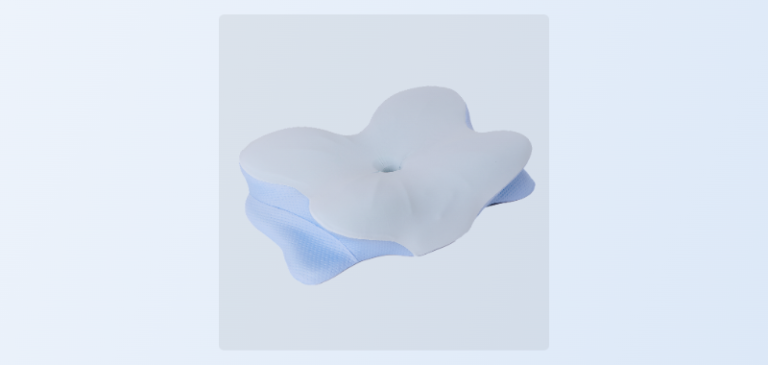
- Combination sleeper: A contoured ergonomic pillow with differentiated zones for each position — like the Derila — is the practical solution, as it provides appropriate support regardless of which position you are in when you wake.
- Stomach sleeper: No pillow configuration fully mitigates the cervical rotation that stomach sleeping creates. The fix is transitioning to side or back sleeping.
Fix the Root Cause
🛏 Derila Ergonomic Pillow — Works for Side & Back Sleepers
Contoured memory foam designed to hold cervical neutral in both positions. 30-night trial — test it in your own bed.
Read the Full Review →Step 3: Add a Pre-Bed and Morning Routine
The pillow addresses the structural overnight cause. But accumulated daily tension in the neck muscles also contributes — this is the tension that makes a slightly suboptimal sleep position cause acute pain rather than just mild stiffness. A two-part routine addresses both:
Before bed (5 minutes): Neck decompression stretches — chin to chest, lateral tilts, shoulder rolls. These release the accumulated muscular tension from the day before it is held in position overnight. Pair this with a topical pain reliever applied to particularly tight areas if you have chronic neck pain — see our full ArcticBlast review for the option we recommend.
On waking (3–5 minutes): Before standing, gentle neck rotations and shoulder rolls while still lying down. This flushes accumulated metabolic byproducts from overnight muscle stillness before you put vertical load on the cervical spine. Most people who implement this report that morning stiffness peak is reduced by 40–60%.
The Timeline for Improvement
A correct pillow change combined with position awareness typically produces noticeable improvement in waking neck pain within 7–14 days. Full resolution of positional neck pain, where it is no longer the default waking state, typically happens within 3–6 weeks of consistent correct positioning. This is one of the most predictable treatment timelines in musculoskeletal pain management — because the cause is mechanical and the intervention is consistent.

About the Author
Certified Health & Wellness Coach · Pain Relief Specialist
Sarah Brennan spent 11 years managing chronic neck and shoulder pain after a rear-end collision left her with cervical disc damage. She tried physical therapy, prescription muscle relaxants, cortisone injections, and a dozen over-the-counter creams before discovering that topical DMSO formulations worked where everything else failed. That personal experience turned into a side project: testing and documenting pain relief products with honest, skeptical reviews grounded in how they actually feel to use. She now writes for Sleep Align, focusing on topical analgesics and sleep ergonomics, and has reviewed more than 40 pain relief products over the past four years. She holds a certificate in Health and Wellness Coaching from the National Board for Health and Wellness Coaching (NBHWC).
More Pillow Guides
Recommended for Pain-Free Sleep
🛌 Derila Ergonomic Memory Foam Pillow
Contoured design that holds your cervical spine in neutral for the full night. Works for side and back sleepers. Backed by a 30-night trial.
- ✓ Memory foam contour
- ✓ Side & back sleeper design
- ✓ 30-night trial