Back Sleeper Pillow Guide: The Right Height and Shape for Spinal Alignment

Back sleeping is recommended by most physiotherapists and spine specialists as the optimal sleep position for spinal health. When done correctly, it distributes body weight evenly, eliminates lateral cervical stress, and allows the lumbar spine to rest in a neutral position. The catch: it requires a pillow that is significantly lower than what most people use.
The Back Sleeper’s Pillow Problem
Most adults sleep with a pillow that was sized for comfort or habit rather than for back sleeping geometry. Standard pillow loft (4–6 inches uncompressed) is designed for side sleeping. When a back sleeper uses this pillow, the head is elevated too high, pushing the chin toward the chest and creating sustained cervical flexion for the full duration of sleep.
The cervical spine in flexion during sleep compresses the posterior facet joints, stretches the posterior ligaments, and places the intervertebral discs in an asymmetric load position. Over months and years, this is one of the primary contributors to cervical disc degeneration and chronic posterior neck pain.
What a Back Sleeper Actually Needs
- Loft: 3–4 inches compressed. The goal is to keep the head in the same position it occupies when standing with good posture — ears over shoulders, chin level, the cervical curve maintained but not exaggerated.
- Firmness: medium to medium-soft. Back sleepers benefit from a pillow that allows some compression under the weight of the head, creating a gentle cradle for the cranial base while the lower edge supports the cervical curve.
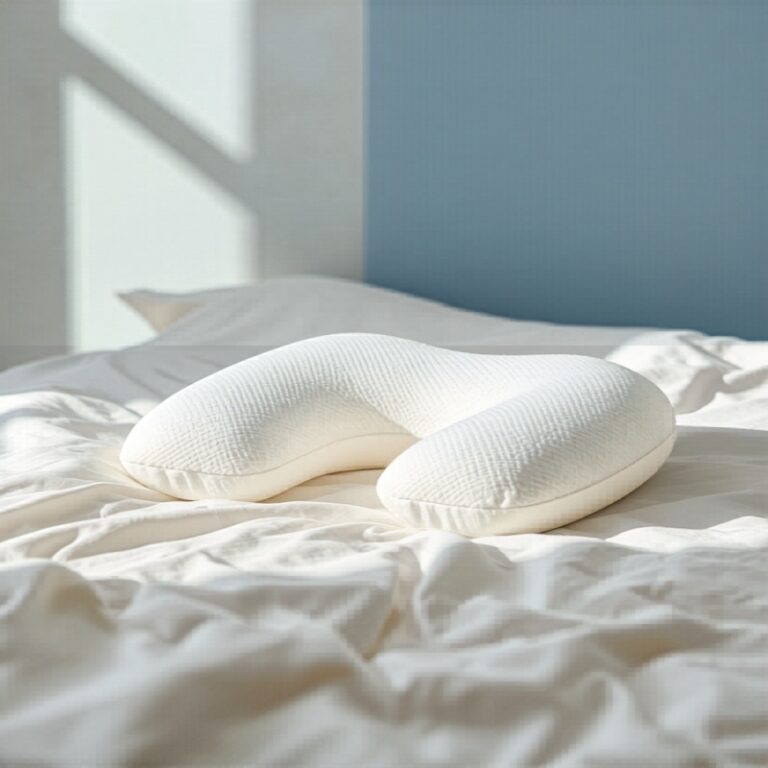
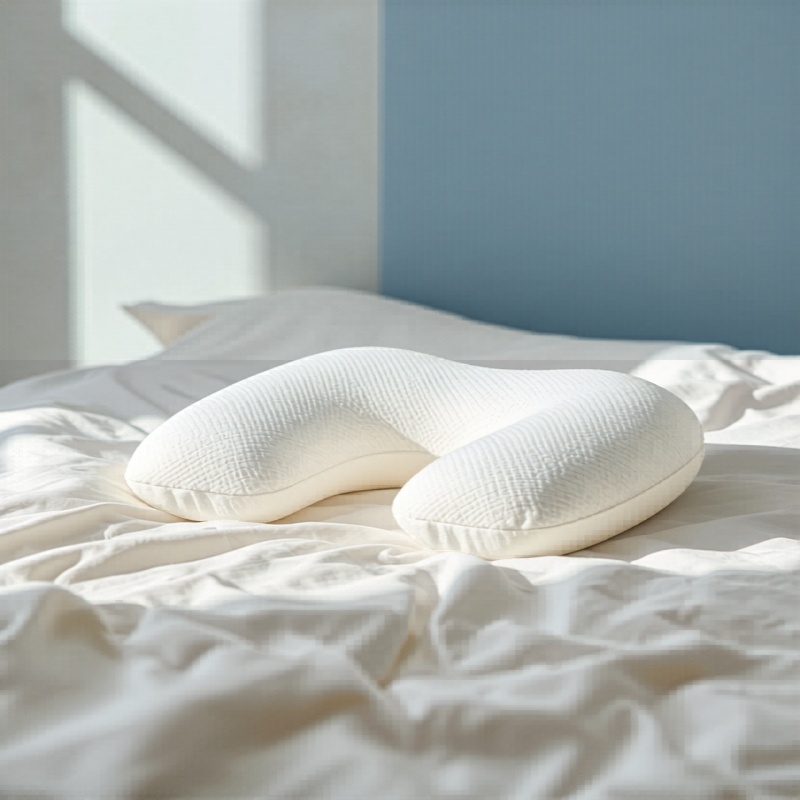
- Cervical support ledge. The most effective back sleeper pillows have a raised lower edge that fills the space between the back of the neck and the mattress. This supports the natural cervical lordosis rather than leaving the neck unsupported in the air.
Designed for Back Sleeping
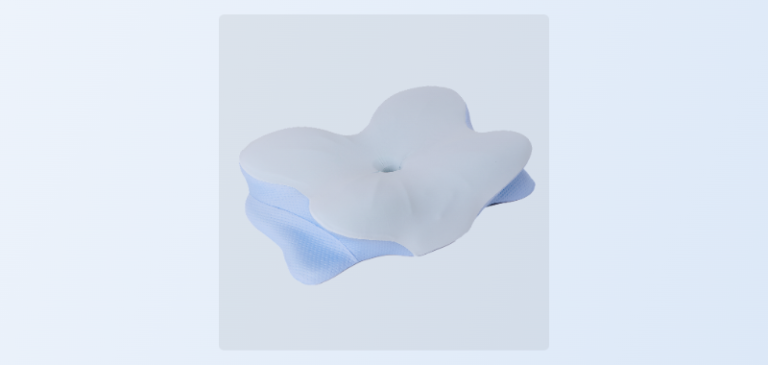
🛏 Derila — Cervical Cradle Profile for Back Sleepers
The contoured centre section holds the head at the right height while the raised lower edge supports the cervical curve. Works for back and side sleepers.
Read the Full Review →The Transition From Side to Back Sleeping
Many people who want to switch to back sleeping find it difficult because they have been side sleepers for years and feel uncomfortable on their backs. A few practical adjustments help:
- Place a pillow or bolster under the knees — this reduces lumbar strain that makes back sleeping uncomfortable for many people
- Start the night on your back rather than switching midway through — the habit builds from sleep onset
- Use a contoured pillow like the Derila that works for both back and side sleeping — so when you roll during the night, support continues regardless of position
Most people who transition successfully to back sleeping report that neck stiffness on waking decreases significantly within 2–4 weeks. The body adapts to a new sleep position faster than most people expect — the main barrier is getting through the first few nights of unfamiliarity.

About the Author
Certified Health & Wellness Coach · Pain Relief Specialist
Sarah Brennan spent 11 years managing chronic neck and shoulder pain after a rear-end collision left her with cervical disc damage. She tried physical therapy, prescription muscle relaxants, cortisone injections, and a dozen over-the-counter creams before discovering that topical DMSO formulations worked where everything else failed. That personal experience turned into a side project: testing and documenting pain relief products with honest, skeptical reviews grounded in how they actually feel to use. She now writes for Sleep Align, focusing on topical analgesics and sleep ergonomics, and has reviewed more than 40 pain relief products over the past four years. She holds a certificate in Health and Wellness Coaching from the National Board for Health and Wellness Coaching (NBHWC).
More Pillow Guides
Recommended for Pain-Free Sleep
🛌 Derila Ergonomic Memory Foam Pillow
Contoured design that holds your cervical spine in neutral for the full night. Works for side and back sleepers. Backed by a 30-night trial.
- ✓ Memory foam contour
- ✓ Side & back sleeper design
- ✓ 30-night trial