YU SLEEP vs Melatonin: Why Liquid Drops Beat Tablets (2026 Comparison)
Quick answer: Standard melatonin tablets are cheap and simple, and they stay the sensible pick for occasional jet lag or a one-off schedule shift. But they usually supply 5-10mg when the research points to 0.3-1mg as the useful range, and they have to work through the digestive system first. YU SLEEP uses 0.9mg of melatonin — a genuinely low dose, and the only amount the seller discloses — held under the tongue, alongside nine other listed ingredients including 5-HTP with vitamin B6, GABA, apigenin, L-theanine, lemon balm, magnesium glycinate and red tart cherry. The real difference is not speed, it is scope: a melatonin tablet supplies the finished hormone, while this formula also feeds the pathway your body uses to make its own, and works the calming side separately. One catch: the 5-HTP means it is off the table for anyone on antidepressants or triptans without a doctor’s approval — a plain melatonin tablet has no such problem.
Our verdict
Our pick: YU Sleep
Plain melatonin stays the sensible pick for jet lag or a one-off schedule shift. YU Sleep is a different bet: a low 0.9 mg dose held under the tongue, plus nine calming and sleep-signal ingredients.
| Best for | Nightly sleep-onset trouble where melatonin tablets left you groggy or stopped working |
|---|---|
| Not for you if |
|
| Main drawback | Costs many times what melatonin does, and only the melatonin dose is disclosed |
| Price | $138 for two months, $177 for three — about $2 a night — at the time of writing. No single-bottle option. The official page is a long sales letter: the pricing block sits about two-thirds down, and we would take the three-month |
| Guarantee | 60-day money-back |
Verdict: Melatonin for occasional use, YU Sleep for a nightly problem you want to work on for a couple of months.
Affiliate link — we may earn a commission at no cost to you. Nothing on this page is medical advice.
YU SLEEP vs Melatonin: What You Actually Gain, and What It Costs
Both aim at the same problem from different angles. Here is the honest comparison — dose, ingredients, interactions, price, and who is better off just buying the cheap tablets.
See today’s price — from $138 → ✓ From $138 · 60-day money-back guarantee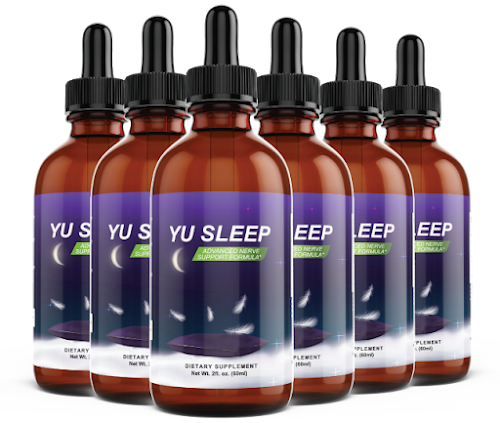
Melatonin tablets are not bad — they are just blunt. Most are dosed five to ten times higher than the research supports, and they do one job only. YU SLEEP dozes melatonin properly at 0.9mg and surrounds it with ingredients aimed at the reasons people are actually awake: an overactive mind, high evening cortisol, low magnesium. But it costs roughly twenty times more per month, and the 5-HTP in it rules it out for a lot of people on medication. If plain melatonin already works for you, keep buying plain melatonin.
At a Glance
YU SLEEP Liquid Drops
- ✅ Melatonin at 0.9mg — inside the researched range
- ✅ Sublingual liquid, two droppers 30 min before bed
- ✅ Nine other listed ingredients targeting calm and your own melatonin production
- ✅ No antihistamines, so no ZzzQuil-style morning fog
- ✅ 60-day money-back guarantee
- ⚠️ Contains 5-HTP — interacts with antidepressants and triptans
- ⚠️ No Supplement Facts panel published
- ⚠️ From $138 — no single-bottle option
Standard Melatonin Tablets
- ✅ Cheap — often under $10 a month
- ✅ Available in any pharmacy
- ✅ No serotonergic drug interactions
- ✅ Dose printed clearly on the label
- ⚠️ Usually 5-10mg — well above the researched range
- ⚠️ Morning grogginess common at those doses
- ⚠️ Single ingredient — does nothing for cortisol or a racing mind
- ⚠️ Must be digested first
The Dose Problem: Most Melatonin Is Too Strong
The standard pharmacy tablet is 5mg or 10mg. Research consistently points to 0.3-1mg as the useful range for most adults — a fraction of what is on the shelf. That matters for two reasons:
- Morning grogginess is largely a high-dose phenomenon. At around 1mg, melatonin is cleared well before your alarm. At 10mg, it often is not.
- More is not more. Melatonin is a timing signal, not a sedative. Past a certain point extra milligrams do not deepen the signal, they just extend how long it lingers in your bloodstream.
At 0.9mg, YU SLEEP is one of the few commercial products that actually follows this. It is the single strongest point in its favour — and worth noting that you can also buy 1mg melatonin tablets on their own for a few dollars if that is all you need.
What Melatonin Alone Cannot Do
The bigger difference is everything a melatonin tablet does not touch. Most adults who cannot sleep are not melatonin-deficient. They are dealing with:
A Racing Mind at Bedtime
An overactive mind stops sleep onset no matter how much melatonin you take. YU SLEEP works this with L-theanine, apigenin and GABA — L-theanine promotes alpha brainwave activity and is one of the better-evidenced ingredients in the formula; apigenin is the flavonoid behind chamomile’s reputation and has gentle activity at GABA-A receptors.
Evening Cortisol and Stress
Chronic stress keeps cortisol elevated at night, holding your nervous system in alert mode when it should be winding down. Melatonin does nothing here. YU SLEEP works this with lemon balm extract, traditionally used for restlessness and studied for its effect on cortisol and anxiety.
Not Making Enough of Your Own
This is the genuinely interesting one. A tablet hands you the finished hormone. YU SLEEP also feeds the production pathway — 5-HTP as a serotonin precursor, with vitamin B6 as the cofactor that conversion actually needs, plus red tart cherry, one of the few foods containing natural melatonin and tryptophan. That is a different mechanism, and it is why the product is judged over weeks rather than nights.
Low Magnesium
Magnesium is a cofactor in melatonin production and in GABA receptor regulation, and shortfalls are common. Melatonin cannot fix that. YU SLEEP includes magnesium glycinate, the form easiest on the digestive system. Worth noting you can buy magnesium glycinate on its own very cheaply.
$138 for two months, $177 for three, $294 for six — 60-day money-back guarantee.
See today’s price — from $138 → Long sales page — the pricing block sits about two-thirds down. Prices at the time of writing.The Interaction Difference Nobody Mentions
This one matters more than the marketing points on either side. Plain melatonin has very few drug interactions. YU SLEEP contains 5-HTP, which the body converts into serotonin — so it should not be combined with SSRIs, SNRIs, MAOIs, triptans, tramadol or St John’s Wort without your prescriber’s approval, because of the risk of serotonin syndrome.
If you take any of those, the comparison is over: a low-dose melatonin tablet is the safer choice, and you should not be ordering this. Full detail on our side effects and interactions page.
Who Should Just Buy the Tablets
Being straight about it — plain melatonin is the better call if:
- You only need something occasionally, for jet lag or a shift change
- You take antidepressants, triptans or tramadol
- Budget matters and your sleep problem is mild
- Low-dose melatonin already works for you — in which case buy the 1mg version and stop there
YU SLEEP is worth considering if you have tried melatonin tablets and:
- You wake groggy even after a full night
- You still lie awake because your mind will not stop
- You wake in the night despite taking them
- Your sleeplessness is stress-driven rather than a timing problem
Price Comparison — The Honest Numbers
There is no polite way to put this: the gap is enormous. Supermarket melatonin runs a few dollars a month. YU SLEEP starts at $138 for a two-month supply ($69 a bottle), $177 for three months ($59 a bottle) or $294 for six ($49 a bottle). There is no single-bottle option, so $138 is the minimum commitment.
You are paying for nine additional ingredients and a liquid format. Whether that is worth roughly twenty times the price depends entirely on whether plain melatonin is already doing the job — and if you have never tried plain melatonin, try that first. It is the cheaper experiment. If you do go ahead, take the three-month rather than the six: you need two to four weeks to judge it fairly, and the 60-day guarantee gives you a real window to decide without being stuck with four spare bottles.
Frequently Asked Questions
Can I take YU SLEEP and melatonin tablets together?
No. YU SLEEP already contains melatonin, and doubling up pushes you back into the high-dose range that causes the grogginess you were presumably trying to escape. Use one or the other.
Is YU SLEEP just expensive melatonin?
No — melatonin is one of ten advertised ingredients and, at 0.9mg, one of the smaller parts of the formula. Whether the other nine justify the price is a fair question, and the missing Supplement Facts panel makes it harder to answer, since no amounts other than melatonin are published.
Does it contain ashwagandha or valerian?
No, and neither passionflower. Plenty of comparison articles say otherwise and they are simply wrong. See the full ingredient breakdown.
How soon would I notice a difference switching over?
The calming ingredients — L-theanine, GABA, apigenin — are the ones you might feel on the first night. The melatonin-production side works over two to four weeks, so judge it at the end of the first month, not the first week.
Decided It Is Worth Trying?
Check the current price and the full label on the official site. From $138 for two months, 60-day money-back guarantee.
See today’s price — from $138 → ✓ 60-Day Guarantee · ✓ Melatonin at 0.9mg · ✓ No AntihistaminesDisclosure: This page contains affiliate links. If you purchase through our links, we may earn a small commission at no extra cost to you. This comparison is based on the ingredient list and prices the seller publishes at the time of writing, and on published research into the individual compounds — plus my own use of YU SLEEP, which I would recommend. Prices and formulas are set by the seller and can change; check before ordering. Individual results vary. Statements about this product have not been evaluated by the FDA.
Looking at a mid-dose combination instead? Our Somnapure review covers a cheap, fully labelled tablet with 3mg melatonin and 200mg L-theanine, and says honestly where it beats both plain melatonin and YU Sleep.