YU SLEEP for Screen Time and Blue Light Insomnia: Does It Help After a Night of Scrolling? (2026)
Read this before anything else: YU SLEEP contains 5-HTP, a serotonin precursor. If you take an SSRI, SNRI, MAOI, a migraine triptan, tramadol or St John’s Wort, do not take it without your prescriber’s approval — the combination risks serotonin syndrome.
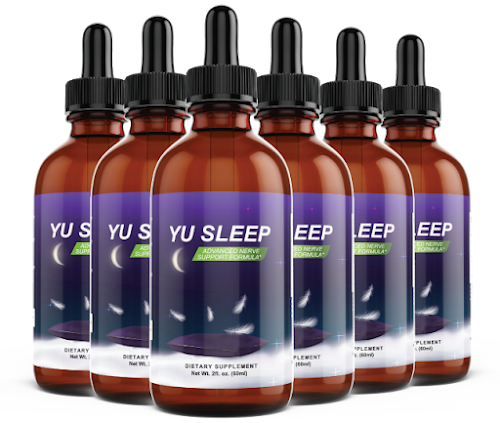
Quick answer: Screens delay sleep two separate ways — blue light suppresses your own melatonin and pushes your body clock later, and stimulating content (email, arguments, doomscrolling) keeps your mind switched on regardless of light. YU SLEEP’s low-dose melatonin (0.9mg) and Red Tart Cherry (a natural melatonin/tryptophan source) address the first mechanism; L-theanine, Apigenin and GABA are the more relevant pick for the second, wired-mind version. It does nothing about the compulsive-checking habit itself. From $138 for two months, 60-day money-back guarantee.
YU SLEEP for Screen Time and Blue Light Insomnia: Does It Help After a Night of Scrolling?
Phone down at midnight, still wired at 1am. Here’s what screens actually do to sleep, what in this formula is a genuine fit, and what no supplement can undo.
See today’s price — from $138 →
✓ From $138 · 60-day money-back guarantee
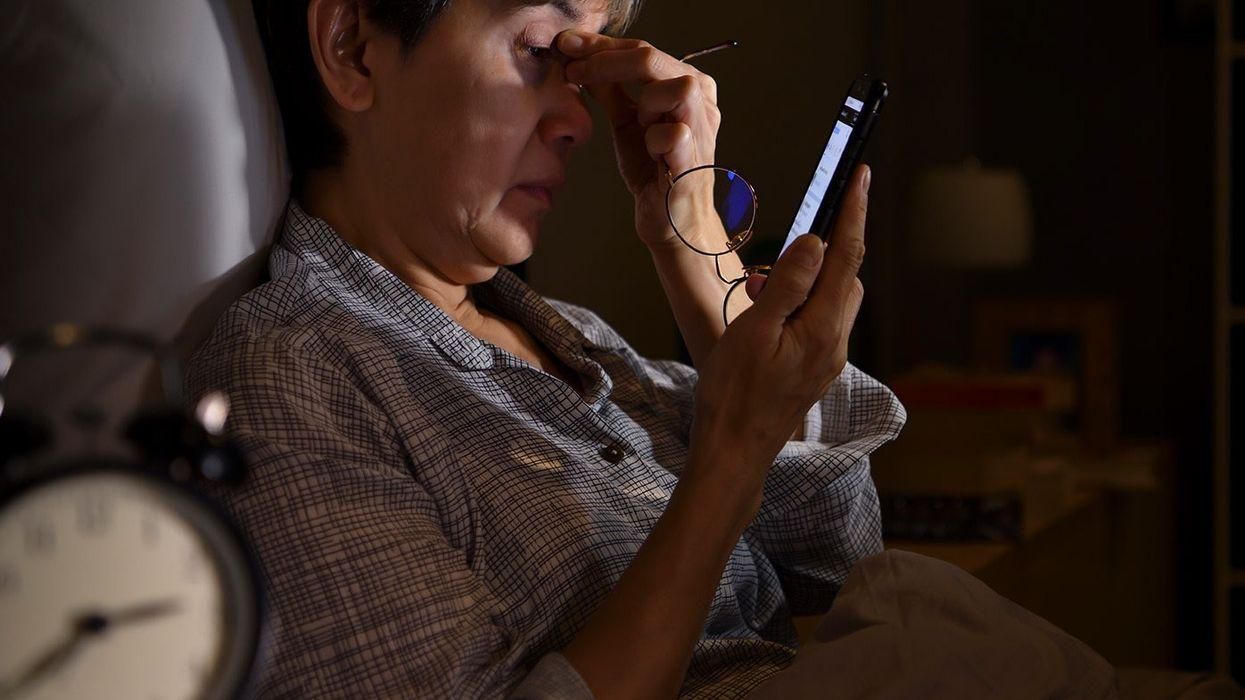
Screen-related insomnia has two separate causes, and they need different fixes. Blue-wavelength light suppresses melatonin production and delays your body clock — that’s a light problem, and the only complete fix is less light before bed. Stimulating content keeps your mind switched on regardless of wavelength — that’s an arousal problem, and it’s the one this formula is actually built for, through L-theanine, Apigenin and GABA. The low-dose melatonin and Red Tart Cherry are a reasonable, if unproven, attempt at the light side. Nothing here fixes the habit of checking the phone in the first place.
Why Screens Wreck Sleep in the First Place
The mechanism is well documented. Harvard Health Publishing explains that light-sensitive cells in the retina (intrinsically photosensitive retinal ganglion cells, containing the pigment melanopsin) are especially responsive to blue wavelengths — the kind emitted heavily by phone, tablet and laptop screens. These cells signal the suprachiasmatic nucleus, the brain’s master clock, to suppress melatonin production and push the body’s internal night later than the actual clock time.
The Sleep Foundation adds the second half of the picture: even screen use that isn’t emotionally charged delays sleep onset by keeping the brain cognitively engaged, and content that IS charged — work stress, arguments, doomscrolling through bad news — adds a cortisol and adrenaline response on top of the light effect. That’s why “I put my phone on night mode and still couldn’t sleep” is such a common complaint: night mode addresses only one of the two mechanisms.
What’s Actually Relevant in the Formula — and What Isn’t
Worth being direct about this: no ingredient in YU SLEEP blocks blue light or reverses melatonin suppression that has already happened. What’s relevant is what it can add back afterward, and what it can do for the arousal side that light-blocking can’t touch.
Melatonin, 0.9mg — a low-dose attempt at the light side
Why it’s relevant: Since screens suppress your own melatonin output, supplying a small amount externally is at least aimed at the right mechanism. Research on melatonin timing and sleep generally favors low doses (0.5–1mg) over the much higher doses sold in many products, so 0.9mg is a sensibly sized dose by that standard.
The catch: it will not undo hours of screen-caused suppression the way simply putting the phone down earlier does. It’s a supplement, not a substitute for less light.
Red Tart Cherry — a natural melatonin and tryptophan source
Why it’s relevant: Tart cherry (typically studied as Montmorency tart cherry juice or concentrate) naturally contains small amounts of melatonin and tryptophan, and has been studied in small trials for modest improvements in sleep duration. It’s a reasonable complementary ingredient to the melatonin angle here, though YU SLEEP doesn’t publish the concentration used.
L-Theanine — for the wired-after-scrolling feeling
Why it’s relevant: This is the better-fitting ingredient for screen-caused insomnia specifically. L-theanine promotes alpha brainwave activity — a relaxed, non-drowsy alertness — and has reasonable human trial support (typically studied around 200mg) for reducing the time it takes to fall asleep when the problem is a mind that won’t switch off, which is exactly what stimulating content does. The amount in this formula isn’t disclosed.
Apigenin — the chamomile-derived calming compound
Why it’s relevant: Apigenin, a flavonoid found in chamomile, binds mildly to benzodiazepine receptors in early research, producing a modest calming effect. It fits the same “settle the mind” use case as L-theanine, though most of the supporting evidence is preclinical or from small human studies rather than large trials.
GABA — plausible mechanism, debated delivery
Why it’s the least certain ingredient here: GABA is the brain’s main inhibitory, calming neurotransmitter, which sounds like a perfect fit for a wired mind. The problem is that whether an oral GABA supplement crosses the blood-brain barrier in amounts large enough to matter is genuinely debated among researchers, and sleep-specific human trial evidence is thin. Worth trying as part of the formula, not worth buying the product for on its own.
5-HTP — the one to check against your medication list
Why it’s relevant, and why it’s the flag: A serotonin precursor, paired here with vitamin B6. Its evidence for sleep specifically is thin, and it carries the same interaction risk on every use case: combining it with SSRIs, SNRIs, MAOIs, triptans, tramadol or St John’s Wort risks serotonin syndrome. Check your medication list before ordering, regardless of why you’re buying it.
$138 for two months, $177 for three, $294 for six — 60-day money-back guarantee.
See today’s price — from $138 →
Prices at the time of writing · set by the seller and subject to change
What This Product Is Not
- It is not a blue-light filter or a substitute for night mode, dimming, or turning the screen off
- It will not undo the circadian delay from hours of bright-screen exposure after the fact
- It does nothing for the compulsive-checking habit itself — that’s a behavior problem, not a formula problem
- It is not a sedative and won’t force sleep if a stressful notification just re-triggered your adrenaline
Who Is Most Likely to Get Something From It
✅ Best odds
- You fall asleep fine most nights but scrolling before bed reliably delays it
- The problem is more “mind won’t switch off” than “eyes won’t close”
- You’ve already cut back screen time somewhat and want a supporting nudge, not a substitute
- You want a low-dose melatonin approach rather than a high-dose one
❌ Poor odds
- You’re expecting it to cancel out hours of late-night screen use with no other changes
- The real issue is compulsive phone checking or doomscrolling itself, not the sleep chemistry
- You’re on an SSRI, SNRI, MAOI, triptan or tramadol — get prescriber sign-off first
- Undiagnosed sleep apnea is in the picture — that needs a sleep study, not a supplement
Things Worth Trying Alongside — or Instead
- A real screen curfew — 60–90 minutes of no screens before bed addresses both the light and the content problem at the source, and has more consistent support than any downstream fix.
- Phone out of the bedroom, or at minimum out of arm’s reach — removes the option to check “just once more” at 2am.
- Night mode and dimming are worth using but don’t oversell them to yourself — the Sleep Foundation notes evidence for blue-light glasses and filters is mixed, since they don’t address the content-arousal mechanism at all.
- Notice what you’re reading, not just the wavelength — if it’s email, news, or arguments, that’s the arousal problem, and no light filter fixes it.
Frequently Asked Questions
If I just use night mode, do I still need something like this?
Night mode addresses the light-wavelength side but not the mental-arousal side of screen-related insomnia. If your problem is more “can’t switch my brain off” than “eyes won’t close,” the calming ingredients here (L-theanine, Apigenin) are aimed at a mechanism night mode doesn’t touch at all.
How long before I’d notice anything?
The calming ingredients may register within a couple of weeks of consistent use, similar to most non-sedative sleep supplements. Judge it at three to four weeks, inside the 60-day guarantee window, and keep your screen habits roughly constant during the trial so you’re not crediting the supplement for a behavior change.
Is this safer than taking a high-dose melatonin gummy for this?
At 0.9mg, YU SLEEP’s melatonin dose is closer to the low end research generally favors for shifting sleep timing, versus the 5-10mg common in many over-the-counter gummies. Lower doses are less likely to cause next-day grogginess, though “lower dose” isn’t the same as “proven for this specific use case.”
Cut the Screen Time First, Then Decide?
See the current price and full label on the official site. From $138 for two months, 60-day money-back guarantee.
See today’s price — from $138 →
✓ 60-Day Guarantee · ✓ Melatonin at 0.9mg · ✓ No Antihistamines
Disclosure: This page contains affiliate links. We may earn a commission at no extra cost to you. We have not tested this product; the assessment above is based on the ingredient list the seller publishes at the time of writing, on published research into those compounds, and on general information about light and sleep from Harvard Health Publishing and the Sleep Foundation, linked above. No per-ingredient amounts other than melatonin are disclosed by the seller. This content is informational only and is not a substitute for professional medical advice. Statements about this product have not been evaluated by the FDA. This product is not intended to diagnose, treat, cure, or prevent any disease.