
YU SLEEP for Jet Lag: Does It Reset Your Body Clock Faster? (2026)
Quick answer: Melatonin is the best-evidenced jet lag intervention there is, and YU SLEEP’s 0.9mg dose sits exactly in the range research supports — better suited to jet lag than the 5-10mg tablets most pharmacies sell. So yes, the melatonin in it works for this. But we are not going to pretend $138 is a sensible jet lag purchase. If jet lag is your only problem, a $5 bottle of 1mg melatonin does the same circadian job, and the timing protocol below matters far more than the brand. YU SLEEP makes sense for jet lag only if you also have an ongoing sleep problem the rest of the formula addresses. The protocol on this page works either way — use it with whatever you take.
YU SLEEP for Jet Lag: Does It Reset Your Body Clock Faster?
The melatonin timing protocol that actually shifts your body clock, for east and west travel — plus an honest answer on whether this particular product is worth buying for it.
See today’s price — from $138 → ✓ From $138 · 60-day money-back guarantee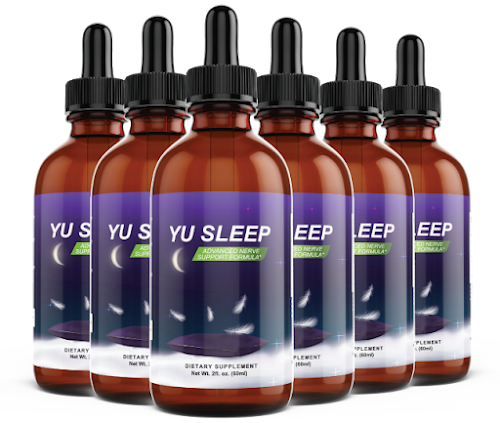
The 0.9mg melatonin in YU SLEEP is genuinely well suited to jet lag — low-dose melatonin is what the circadian research supports, and most pharmacy tablets massively overshoot it. But melatonin is the ingredient doing the jet lag work, and you can buy 1mg melatonin for a few dollars. At $138 minimum with no single-bottle option, buying this purely for a couple of long-haul trips a year does not add up, and we would rather tell you that than take the commission. It stacks up if you fly constantly and have a sleep problem the rest of the formula addresses. Either way, the protocol below is the part that matters.
Why Jet Lag Is Harder Than It Looks
Jet lag is not tiredness, it is desynchronisation. Your internal clock is still set to home while local daylight, meals and social cues say something else. Sleep, digestion, alertness and hormone release all run on circadian timing, so the disruption spreads across several systems at once.
Your clock re-adjusts at roughly an hour a day unaided, which is why six time zones east means the better part of a week feeling wrong. Eastward is consistently harder than westward, because compressing your day is harder for the body than stretching it.
The Two Things That Actually Move Your Body Clock
In order of power:
- Light. By a distance. It is the strongest circadian signal you have, and correctly timed light exposure at the destination does more than anything you swallow. Getting this wrong will undo whatever the supplement does.
- Melatonin, timed properly. The best-evidenced supplement for jet lag — but timing is everything. Taken at the wrong hour it shifts you the wrong way and makes things worse. Dose matters too: research consistently finds 0.5-1mg as effective as 5mg for circadian shifting, with far less daytime grogginess. YU SLEEP’s 0.9mg is in that range; a 5mg pharmacy tablet is not.
The Jet Lag Protocol
This works with any low-dose melatonin, YU SLEEP included.
Eastward Travel (e.g. US → Europe)
The challenge: you need to sleep earlier than your body wants to.
Protocol: from arrival day and for 3-4 nights, take it about 30 minutes before local bedtime, whatever your body thinks the time is. Get bright light in the morning at the destination — that is what pulls your clock earlier. Avoid bright light late in the evening. No naps after 3pm local; they delay the shift.
Westward Travel (e.g. Europe → US)
The challenge: you need to stay up later than your body wants to.
Protocol: get bright light in the late afternoon and evening at the destination to push your clock later. Take melatonin only at local bedtime — taking it early will drag your rhythm the wrong way. Westward is the easier direction; often you need little more than daylight and stubbornness about staying up.
In-Flight
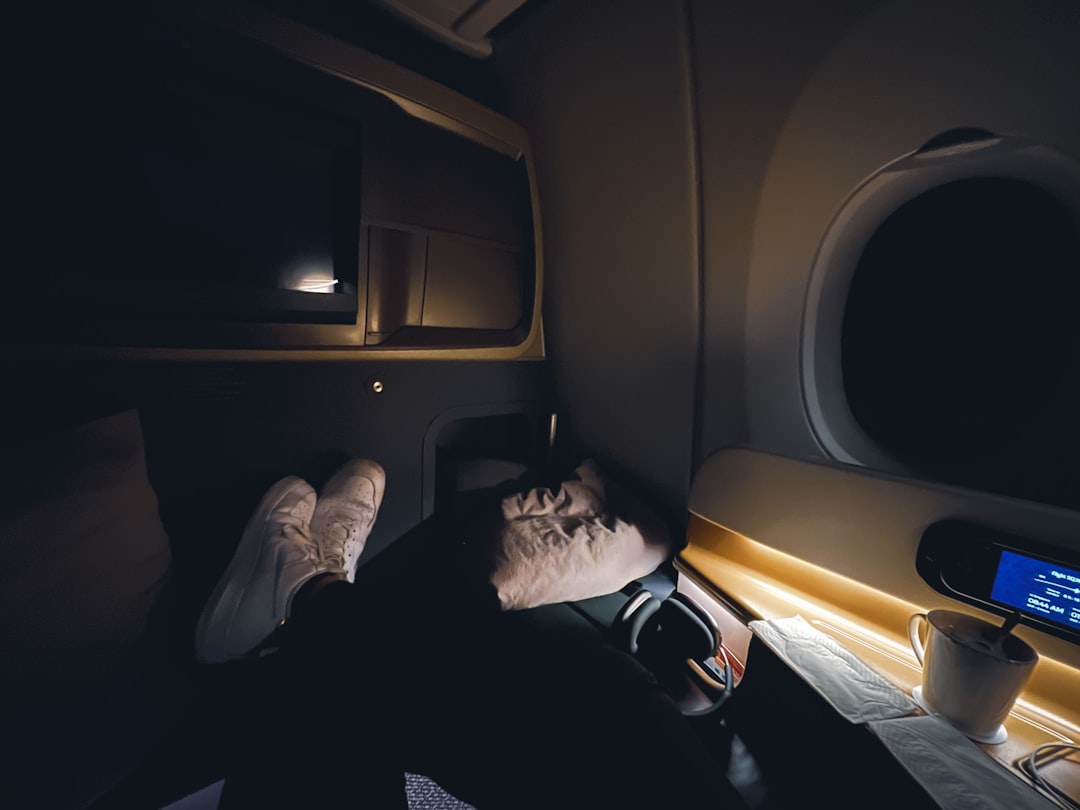
On a long overnight flight, take it when you want to sleep in destination time — often when the cabin dims. The dropper bottle is small enough for standard hand-luggage liquid limits. Since it is not a sedative, do not expect to be knocked out; it is not a substitute for an eye mask and earplugs.
How Many Nights
Roughly one night per time zone crossed, up to about five. After that your clock should be close enough that continuing adds little. If you are on a short trip of two or three days, many travellers do better staying on home time entirely rather than half-shifting twice.
$138 for two months, $177 for three, $294 for six — 60-day money-back guarantee.
See today’s price — from $138 → Prices at the time of writing · set by the seller and subject to changeYU SLEEP vs a $5 Melatonin Tablet, for Jet Lag
Where YU SLEEP genuinely helps
- ✅ 0.9mg is the right dose range — most tablets are 5-10mg
- ✅ Liquid drops are easy to time and easy to pack
- ✅ L-theanine and apigenin help with the wired-at-the-wrong-hour feeling that melatonin alone does nothing for
- ✅ No antihistamine, so no arrival-day fog
- ✅ Worth it if you also have an ongoing sleep problem
Where the cheap option wins
- ⚠️ 1mg melatonin tablets cost a few dollars and do the circadian job
- ⚠️ $138 minimum, with no single-bottle option
- ⚠️ For two or three trips a year, most of the bottle goes unused
- ⚠️ The 5-HTP is an unnecessary interaction risk if melatonin is all you need
- ⚠️ Light timing does more than either, and costs nothing
Before You Travel With It — One Check
YU SLEEP contains 5-HTP, which raises serotonin. If you take an SSRI, SNRI, MAOI, migraine triptan, tramadol or St John’s Wort, do not take it without your prescriber’s approval. Migraine triptans are worth flagging twice here, because plenty of frequent travellers carry them. A plain melatonin tablet has no such issue. See our interactions guide.
What to Pair It With
- Light timing — morning light going east, evening light going west. The single highest-leverage thing on this list.
- Eat at local mealtimes from arrival. Food timing is a secondary circadian cue and it reinforces the shift.
- Keep naps to 20 minutes. A two-hour nap wrecks that night’s sleep and delays adjustment.
- Caffeine in the local morning only. It helps you hold the new schedule; after about 2pm local it works against you.
- Shift your bedtime an hour a day before you fly if the trip matters. Arriving part-adjusted beats arriving cold.
Frequently Asked Questions
Can I take it during the day to catch up on sleep?
No — this is the most common way people make jet lag worse. Melatonin taken in the destination morning or afternoon shifts your clock in the wrong direction. Local bedtime only.
What about the return trip?
Same protocol in reverse, and expect it to be harder if you are returning eastward. Reset your light exposure to the home timezone as fast as you can — that does more than the supplement.
So should I buy YU SLEEP for jet lag or not?
If jet lag is genuinely your only sleep issue: buy 1mg melatonin instead and follow the protocol above. If you fly often and struggle to sleep at home, the wider formula may earn its keep — read the full review and decide on that basis, not on jet lag alone.
Travel Sleep Sorted
If the wider formula fits your situation, check the current price and label on the official site. From $138 for two months, 60-day money-back guarantee.
See today’s price — from $138 → ✓ 60-Day Guarantee · ✓ Melatonin at 0.9mg · ✓ No AntihistaminesDisclosure: This page contains affiliate links. We may earn a commission at no extra cost to you — which is precisely why we have said plainly above that cheap melatonin is the better buy if jet lag is all you need. The jet lag protocol is based on published circadian research. Ingredient and price information reflects what the seller publishes at the time of writing and is subject to change. Statements about this product have not been evaluated by the FDA. Individual results vary.