What’s Actually Wrecking Your Sleep: Alcohol, Weed, Nicotine, Caffeine and Screens (2026)
Quick answer: Almost everything people reach for to fall asleep faster — a nightcap, a joint, a cigarette before bed, an antihistamine — works on getting to sleep and costs you on staying asleep. Alcohol and THC both suppress REM and both hand the debt back in the second half of the night. That is why so many people fall asleep in ten minutes and are wide awake at 3am. The fix is unglamorous and it works in this order: sort out the physical setup, then the timing of what you put in your body, and only then consider adding something.
Here is the choice almost nobody frames honestly. You can get to sleep tonight with a drink or a smoke — both genuinely do shorten the time it takes — and accept a fragmented second half of the night. Or you can spend that effort on the boring version: a pillow that holds your neck straight, a caffeine cut-off, and a dark room.
One of those gets better over weeks. The other needs a bigger dose to do the same job by month three. This page covers what each of the common ones actually does, with the mechanism rather than the folklore.
Alcohol: the 3am alarm clock
Alcohol is a sedative, so it does what sedatives do: it shortens the time it takes to fall asleep. That is the entire basis of the nightcap’s reputation, and it is real. What happens next is the problem.
In the first half of the night alcohol suppresses REM sleep. As your body metabolises it and blood alcohol falls towards zero, you get a rebound — REM comes back harder, sleep becomes lighter and more broken, and you surface repeatedly. For a lot of people that lands somewhere between 2am and 4am, which is why the pattern is so recognisable.
What changes
A late drink moves the damage into the second half of the night
No alcohol
First half and second half each do their job.
Drink within 3 hours of bed
You fall asleep faster, REM is pushed down early, and it comes back as broken sleep roughly between 2am and 4am.
Two other effects worth knowing:
- It relaxes the muscles of your upper airway, which makes snoring worse and makes obstructive sleep apnea worse. If someone has told you that you snore more after a few drinks, that is not a coincidence.
- It is a diuretic, so it adds trips to the bathroom to a night that is already fragmented.
The net result is more hours in bed and less usable sleep. If you want to test this on yourself, the cleanest experiment is moving your last drink three or four hours earlier rather than cutting it out entirely — most of the damage comes from drinking close to bedtime.
Cannabis: works, until it doesn’t
THC also shortens how long it takes to fall asleep, and plenty of people use it for exactly that. Two things make it a poor long-term deal.
It suppresses REM. Regular users often notice they stop dreaming, or stop remembering dreams. That is the visible sign of REM being pushed down. REM is where a good deal of emotional processing and memory consolidation happens, so losing it nightly is not free.
Tolerance builds to the sleep effect specifically. This is the part that catches people out. The amount that knocked you out in January does less by June, so the dose creeps. And when you stop, the REM you have been suppressing comes back all at once — vivid, intense dreams and genuinely difficult insomnia for a stretch of nights. That withdrawal insomnia is one of the most common reasons people who want to stop using cannabis at night find they cannot, because the first week without it is worse than the problem they started with.
Worth saying plainly: the research here is thinner and more mixed than for alcohol, CBD behaves differently from THC, and legality varies by where you live. But the tolerance-and-rebound pattern is consistent enough that it is the thing to plan around if you are using it nightly.
The boring version, if you want to try it
See YU SLEEP →Low-dose melatonin, magnesium, L-theanine · 60-day guarantee
Nicotine: a stimulant you take at bedtime
The last cigarette or vape of the evening feels calming because it relieves the withdrawal that has been building since the previous one. Pharmacologically, nicotine is a stimulant. It lengthens how long you take to fall asleep and makes sleep lighter.
Then there is the overnight problem: a night’s sleep is the longest you go without it, so withdrawal builds while you sleep and tends to surface you in the early hours. Smokers consistently report more non-restorative sleep than non-smokers, and early waking is part of that picture.
Caffeine: the maths people get wrong
Caffeine blocks adenosine, the molecule that accumulates while you are awake and creates the pressure to sleep. It does not remove the tiredness — it hides it, and the bill arrives later.
The number that matters is the half-life: roughly five hours in a typical adult, though the range runs from about three to seven and is longer in pregnancy and in people taking oral contraceptives. Run the arithmetic on an afternoon coffee:
The catch is that plenty of people fall asleep fine on that and conclude caffeine does not affect them. Falling asleep is not the measure. Caffeine in your system reduces deep sleep even when sleep onset looks normal, so you sleep the same hours and wake less restored — which is a very good reason to have another coffee, and the loop closes.
A cut-off eight hours before bed is a reasonable starting experiment. Give it two weeks before judging it.
Over-the-counter sleep aids: tolerance in under a week
Most OTC night-time products are built on a sedating antihistamine — usually diphenhydramine, the same ingredient as in older allergy medicines. They work on night one. Tolerance to the sedative effect develops fast, often within a few days to a week, so the dose stops working while the side effects stay.
Those side effects are the familiar next-day fog, dry mouth and grogginess. They are not a great long-term option, which is the conclusion we reached in our ZzzQuil review and in the side-by-side comparison.
Screens: less about blue light than you think
Light in the evening does suppress melatonin, and that is real. But for most people the bigger effect of the phone in bed is simpler: the content is engaging, so you stay awake longer. An hour of scrolling costs you an hour of sleep whether or not the screen is on night mode.
There is a second effect worth knowing about. If you spend hours awake in bed doing other things, your brain learns that bed is a place for being awake. That conditioning is a large part of what keeps chronic insomnia going, and it is why the standard advice is to get out of bed if you have been lying there awake for twenty minutes.
If evening light is specifically your issue — late shifts, a lot of screen time, dark winter mornings — we go into that separately in blue light and insomnia.
What to do instead, in order
This order matters, because the cheap steps have the best ratio and people usually do them last.
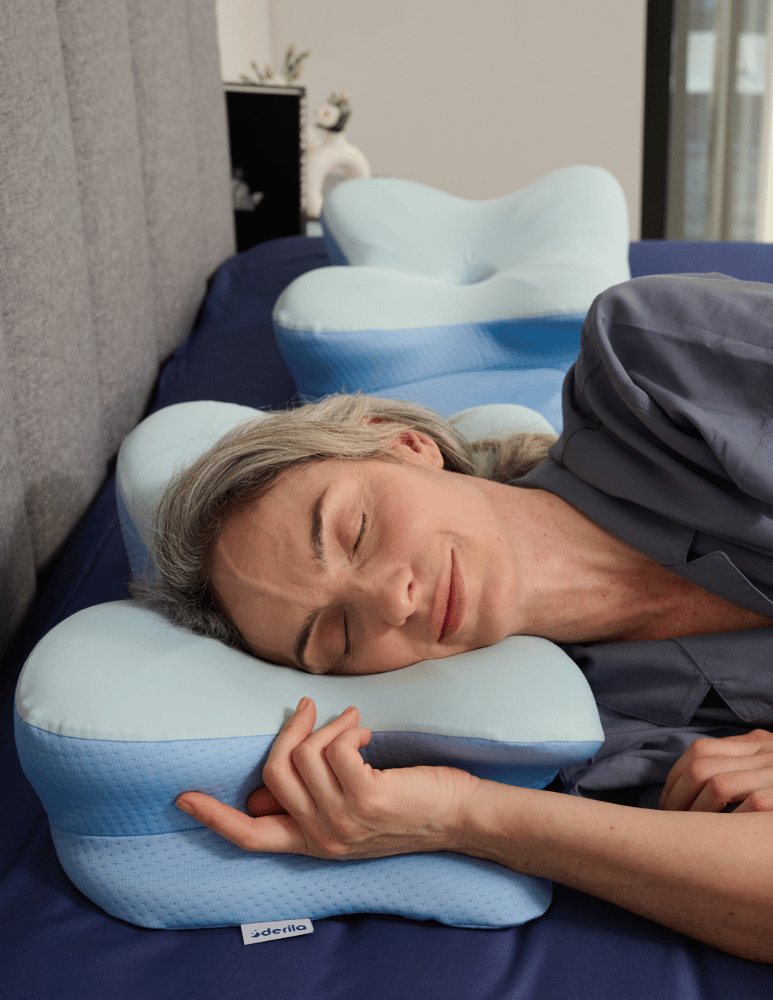
- 1. Fix the physical setup first. It costs nothing to check and it has no downside. If you wake with neck ache, a dead arm or a stiff shoulder, you are being woken by your pillow and no supplement will out-run that. A pillow that holds your neck neutral is the single most boring, most reliable change available — see our Derila Ergo review or work out your own target height with the pillow height calculator.
- 2. Move the inputs earlier rather than removing them. Caffeine cut-off eight hours before bed. Last drink three to four hours before bed. Last nicotine as early as you can manage. “Earlier” is a change people actually stick to; “never again” usually is not.
- 3. Make the bed boring. Phone charging in another room, lights down for the last hour, and out of bed if you are still awake after twenty minutes.
- 4. Keep the wake time fixed. One anchor does more for your body clock than any bedtime routine, including at weekends.
- 5. Only then consider adding something. A supplement is the last ten percent, not the first ninety.
Where a supplement actually fits
A sleep supplement is not a sedative, and that is exactly the point. Alcohol and THC knock you out and take the back half of your night as payment. A wind-down formula works with your own sleep rather than overriding it, which is why it still does the same job in month three instead of needing a bigger dose.
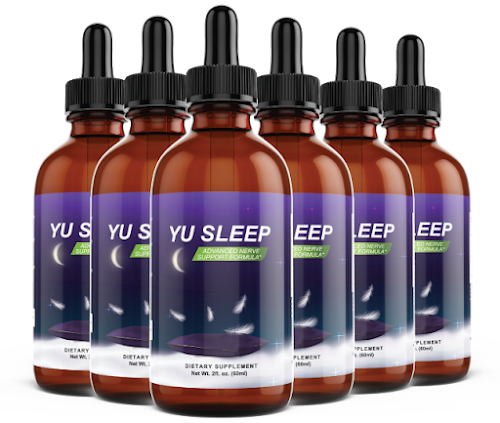
YU SLEEP is the one we point people to, mainly because of the dosing choice: melatonin at 0.9mg rather than the 5 or 10mg that is common. Melatonin is a timing signal, not a sedative, and the low doses perform at least as well as the big ones for most people while leaving less next-day grogginess. Alongside it there is magnesium glycinate, L-theanine, apigenin, lemon balm, red tart cherry, GABA, 5-HTP and B6 and B2. Full breakdown in our ingredients guide, and we have not tested this product ourselves — the review is built from the published formula and buyer reports.
The last ten percent, once the rest is in place
See today’s price →Melatonin 0.9mg · 60-day money-back guarantee
Frequently asked
Why do I wake up at 3am after drinking?
Alcohol suppresses REM sleep early in the night, and as your blood alcohol falls towards zero you get a rebound — lighter, more fragmented sleep with repeated awakenings. For many people that lands in the small hours. Moving your last drink three to four hours earlier usually helps more than cutting the amount.
Does weed actually help you sleep?
THC does shorten the time it takes to fall asleep, so in the short term it works. It also suppresses REM, tolerance to the sleep effect builds with regular use, and stopping brings a stretch of rebound insomnia and vivid dreams. It is a good short-term trade and a poor long-term one.
How late is too late for coffee?
Caffeine’s half-life is around five hours, so a 3pm coffee still has roughly a quarter of its caffeine in you at 1am. An eight-hour cut-off before bed is a sensible starting point. Note that falling asleep fine does not mean it is not costing you deep sleep.
Is a nightcap better than a sleeping pill?
Neither is a good long-term answer. Alcohol fragments the second half of the night; OTC antihistamines lose their effect within days while the next-day grogginess remains. Fixing timing and sleep environment beats both.
Can I take a sleep supplement if I still drink some evenings?
Yes — just get the order right. Move your last drink three to four hours earlier and you remove the thing causing the 3am waking. A wind-down formula then has something to work with instead of competing with a sedative, and most people notice it first on the nights they are not drinking.