Nicotine and Sleep: The Stimulant You Take at Bedtime (2026)
Quick answer: Nicotine is a stimulant. The bedtime cigarette or vape feels calming because it relieves the withdrawal that has been building since the last one — not because it sedates you. It lengthens the time you take to fall asleep and makes sleep lighter, and because a night is the longest gap you go without it, withdrawal builds while you sleep and surfaces you in the early hours. Quitting improves sleep, but not immediately: expect a worse week or two first, which is where most attempts fail.
This is the one people are most surprised by, because the subjective experience and the pharmacology point in opposite directions. The cigarette genuinely does feel relaxing. It is just not doing what it feels like it is doing.
Why it feels calming when it is a stimulant
Nicotine raises heart rate, raises blood pressure and increases alertness. On any objective measure it belongs with caffeine, not with alcohol.
What makes it feel like a relaxant is that regular users spend most of the day in mild withdrawal. Levels drop between cigarettes, a low-grade tension builds, and the next one removes it. That relief is read as calm. You are not being relaxed — you are being returned to baseline, and then stimulated above it.
Which is why the last one of the evening is the worst-timed dose of the day: you take a stimulant precisely when you want the opposite, and the calm you feel lasts a fraction of the time the stimulation does.
What it does across the night
Two problems, not one
Stimulation at the start, withdrawal at the end
Getting to sleep
Takes longer to drop off, and the sleep you get is shallower than it should be.
The early hours
A night’s sleep is the longest you ever go without nicotine. Craving builds while you are asleep and surfaces you towards morning.
That second half is the part smokers rarely connect to smoking. Waking at 4 or 5am and reaching straight for a cigarette feels like a habit. It is closer to a symptom.
For the fortnight your sleep is recalibrating
See YU SLEEP →Non-sedating · melatonin 0.9mg · 60-day guarantee
Vapes, cigarettes and patches behave differently
The patch point is worth knowing if you are quitting: if your dreams have gone peculiar and you are sleeping badly on nicotine replacement, taking the patch off before bed is a standard adjustment. You will trade it for a stronger morning craving, so it is a genuine choice rather than a free fix — talk to a pharmacist, who will have this conversation several times a week.
The quit-week dip, and why it misleads people
Here is the trap. Nicotine harms your sleep, so stopping should improve it — and it does, eventually. But the first one to two weeks are usually worse, because withdrawal brings insomnia, restlessness and vivid dreams of its own.
People experience that, conclude that smoking was helping them sleep after all, and go back. The timing of the evidence is simply misleading: you feel the cost of quitting immediately and the benefit weeks later.
What to expect
Sleep after stopping, roughly
Bar length is disruption, not quality. The curve is the point: it gets worse before it gets better, and the worse part is short.
Knowing that shape in advance is most of what gets people through it. If you are three nights in and sleeping badly, you are exactly where the chart says you should be.
The caffeine trap nobody warns you about
This one catches almost everybody. Smoking speeds up how fast you clear caffeine — roughly doubling the rate. Which means the moment you stop smoking, your usual coffees start hitting roughly twice as hard and lasting roughly twice as long.
People quit, cannot sleep, and attribute all of it to nicotine withdrawal. A meaningful share of it is caffeine they are no longer metabolising at the old speed. The standard advice from stop-smoking services is to cut your caffeine by about half when you quit, and it makes a noticeable difference to the first fortnight.
Our caffeine and sleep guide has a cut-off calculator if you want to work out the new number.
If you are not quitting
- Move the last one earlier. Even an hour or two before bed rather than at the bedroom door removes most of the sleep-onset problem. Same logic as alcohol and caffeine, same reason it is the change people stick to.
- Do not smoke during a night waking. It feels like it helps you settle; it tops you back up and pushes the next waking later. Getting through one waking without it is how the pattern starts to break.
- Cut the evening caffeine too. Two stimulants stacked in one evening is a worse problem than either alone.
- Deal with anything physical. Your sleep is already lighter than it should be, so anything that would normally be tolerable is now enough to wake you properly.
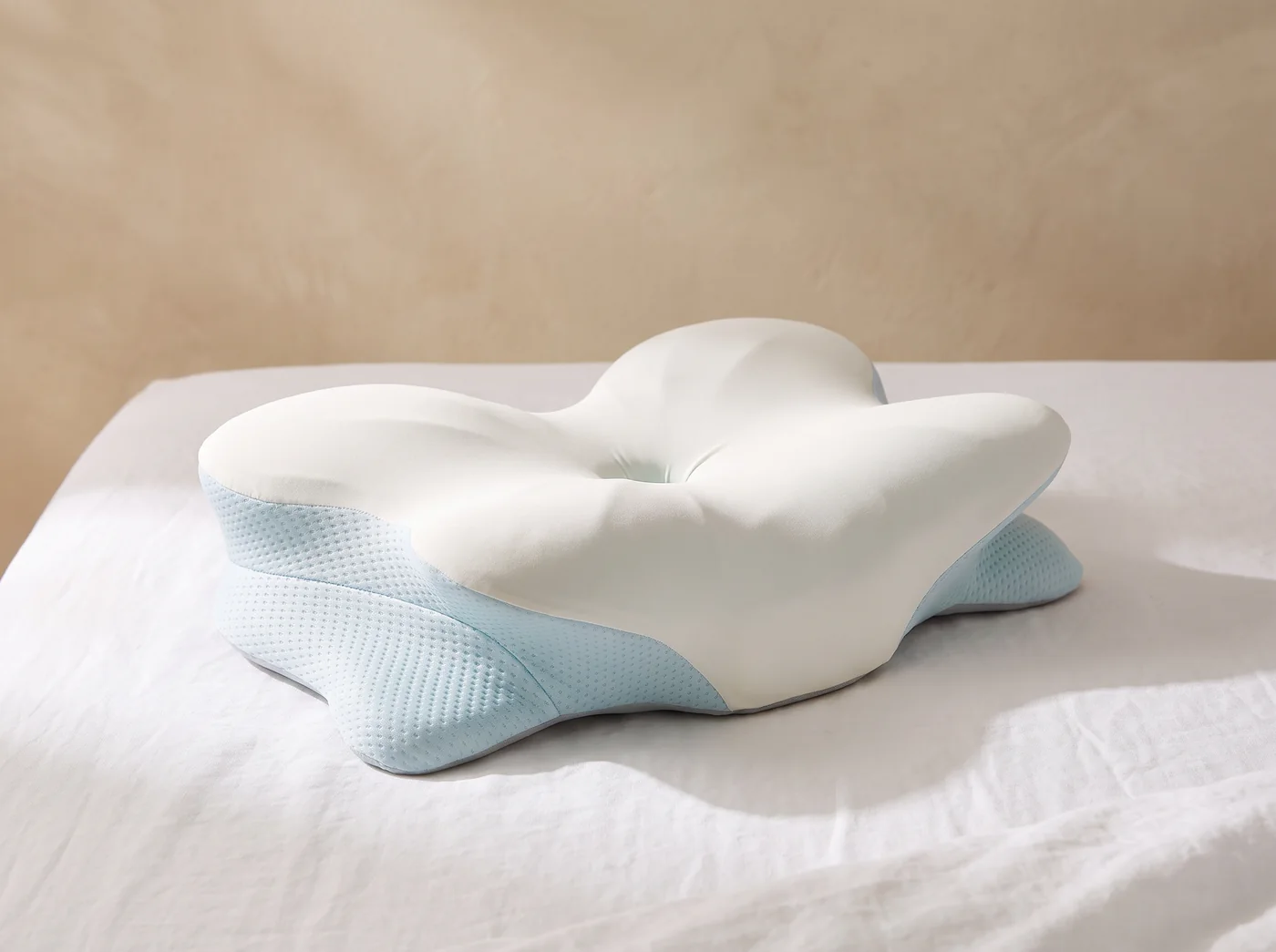
That last point matters more here than almost anywhere. If a pillow is leaving your neck aching, you will feel it during a stretch when your sleep is already fragile — see our Derila Ergo review or work out your target height with the pillow height calculator.
Where a supplement fits
It will not touch a craving — nothing non-prescription does, and the things that genuinely help you stop are nicotine replacement, prescribed medication and behavioural support from a stop-smoking service, which roughly triples your odds and is free in most places.
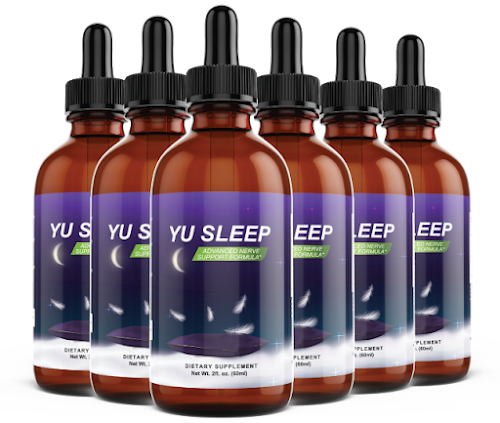
What a sleep supplement can do is shorten the wind-down during the fortnight when your own has not come back — the exact window where most quit attempts collapse on grounds of sleep. YU SLEEP is built for that: melatonin at 0.9mg as a timing signal rather than a knock-out dose, with magnesium glycinate, L-theanine, apigenin, lemon balm, red tart cherry, GABA, 5-HTP and B6 and B2. Full list in the ingredients guide; we have not tested it ourselves, so the review is built from the published formula and buyer reports.
Smoking, snoring and the airway
There is a second mechanism alongside the stimulant one, and it is the reason smokers snore more than non-smokers.
Smoke irritates and inflames the lining of the nose and throat. Inflamed tissue is swollen tissue, and a swollen airway is a narrower airway — so the same breath has to move through a smaller space, which is what produces the vibration you hear as snoring. Smokers are substantially more likely to snore, and smoking is an established risk factor for obstructive sleep apnea.
This one does not care what time you smoke. Moving your last cigarette earlier helps the stimulant problem and does nothing for the inflammation, which is present all the time. It is also the part that improves most clearly after quitting — nasal congestion and snoring often ease within weeks, well before the rest of your sleep has finished recalibrating.
If snoring is your main complaint, the position you sleep in does more in the short term than anything else available: see our pillow guide for snorers. And if you have been told you stop breathing in the night, that is worth getting assessed rather than managing with bedding.
Pouches, gum and lozenges at night
All the same stimulant, delivered more slowly. A pouch or a lozenge in the last hour before bed is a bedtime dose of nicotine whether or not it involves smoke, and it will lengthen how long you take to fall asleep.
The one genuine advantage over cigarettes is that they avoid the airway inflammation above, so snoring is not made worse. For sleep onset specifically, treat them exactly as you would a coffee: fine earlier, a problem late.
Frequently asked
Does smoking before bed affect sleep?
Yes. Nicotine is a stimulant, so it lengthens how long you take to fall asleep and makes sleep lighter. It also means withdrawal starts building while you sleep, which is why early waking is so common in smokers.
Why do I wake up at 4am wanting a cigarette?
Because a night’s sleep is the longest gap you go without nicotine, so levels fall far enough for withdrawal to wake you. It feels like habit; it is closer to a symptom.
Why is my sleep worse since I quit?
Withdrawal causes insomnia, restlessness and vivid dreams for the first one to two weeks. It is temporary, and it is the opposite of evidence that smoking helped — the cost arrives immediately and the benefit arrives weeks later.
Do nicotine patches cause weird dreams?
Commonly, yes, if worn overnight, because they deliver nicotine through the night. Removing the patch before bed is the usual adjustment, at the cost of a stronger morning craving. Worth asking a pharmacist about.
Is vaping better for sleep than smoking?
Not meaningfully — it is the same stimulant. Grazing on a vape through the evening tends to be worse for falling asleep and slightly better for early waking, because levels stay topped up for longer.
Should I change my coffee when I quit smoking?
Yes, and most people are not told this. Smoking roughly doubles how fast you clear caffeine, so after quitting your usual coffees hit harder and last longer. Cutting caffeine by about half during the first weeks is standard advice.
The bottom line
The bedtime cigarette is a stimulant that feels like a sedative, and it costs you at both ends of the night. If you are quitting, the sleep gets worse before it gets better and the bad stretch is about a fortnight — halve your caffeine, take the patch off at night if the dreams are unbearable, and remove anything physical that will wake you while your sleep is fragile. If you are not quitting, move the last one earlier and stop treating a 4am waking with the thing that caused it.