Alcohol and Sleep: Why You Wake at 3am, and the One Change That Fixes It (2026)
Quick answer: Alcohol is a sedative, so it genuinely gets you to sleep faster. Then it suppresses REM in the first half of the night, and when your blood alcohol falls back towards zero you get a rebound — lighter, broken sleep that for most people lands between 2am and 4am. The single highest-value change is not drinking less. It is drinking earlier: finish your last drink three to four hours before bed and most of the damage disappears while the evening stays intact.
Nearly everyone who drinks in the evening has had the same night. Asleep in minutes, out cold, and then wide awake at some unreasonable hour with a dry mouth and a brain that has decided now is the time to review your career.
That is not bad luck and it is not age. It is a predictable pharmacological sequence, and once you can see the shape of it the fix is obvious.
The two halves of an alcohol night
Alcohol does two completely different things to your sleep depending on where you are in the night, which is why people argue about whether it helps.
The pattern
Same amount of alcohol, two opposite effects
First half — blood alcohol high
You fall asleep fast and sleep like a stone. This is the part people remember.
Second half — blood alcohol falling to zero
The REM you suppressed comes back all at once, sleep goes shallow, and you surface repeatedly. This is the part people blame on everything else.
The rebound is the whole story. REM is not optional — push it down early and your brain takes it back later, at the least convenient time, in a form that keeps waking you.
Work out your own last-drink time
Your liver clears roughly one standard drink an hour, and the waking starts as blood alcohol approaches zero. So the target is simple: be finished early enough that the fall happens before you are asleep rather than in the middle of your night.
Last-drink calculator
What time do you usually go to bed?
Most people find this far easier to stick to than cutting down, because nothing is taken away. The wine moves to dinner instead of the sofa.
For the nights you are not drinking
See YU SLEEP →Melatonin 0.9mg, magnesium glycinate, L-theanine · 60-day guarantee
The three other things alcohol is doing
It makes you snore, and makes apnea worse. Alcohol relaxes the muscles that hold your upper airway open. If someone has told you that you snore far more after a few drinks, that is the mechanism. For anyone with diagnosed or suspected sleep apnea this is the most important item on the page, because alcohol lengthens and deepens the breathing pauses.
It dehydrates you and sends you to the bathroom. Alcohol suppresses the hormone that tells your kidneys to hold water. More trips, in a night that is already fragmented.
It raises your heart rate overnight. Anyone wearing a tracker will have seen this — resting heart rate up several beats and heart-rate variability down, often for a full night after a moderate evening. That is your body working rather than recovering, and it is why you can sleep eight hours after drinking and still feel like you did not.
What to change, in order of payoff
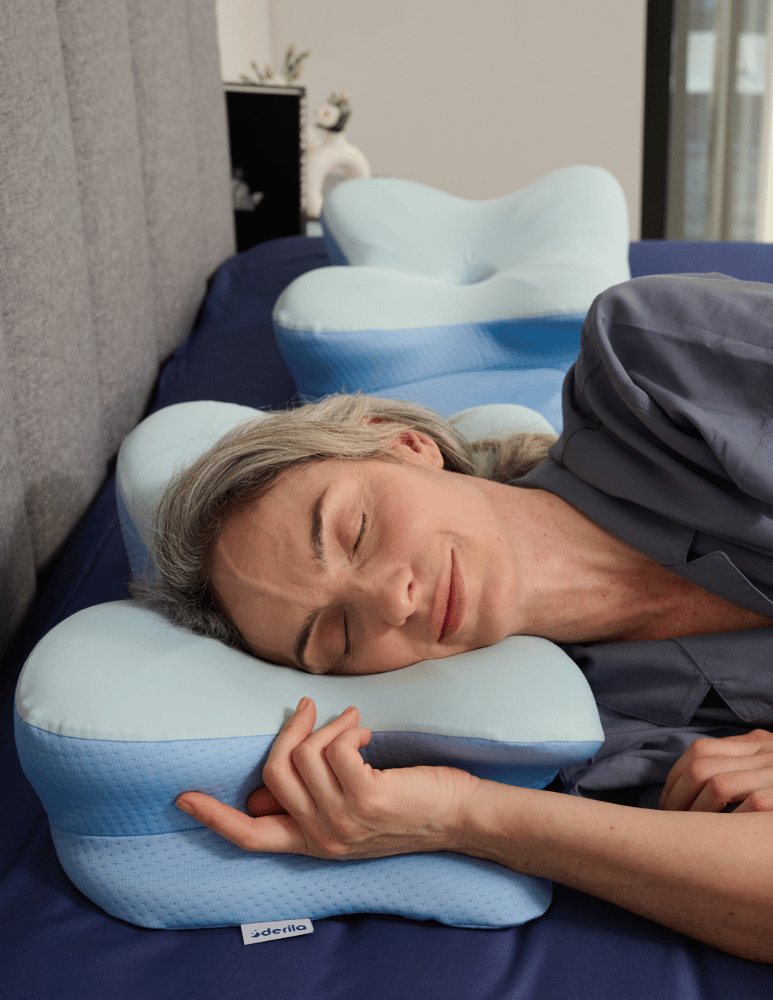
That third row is worth a moment. Alcohol pushes you onto your back and relaxes your airway at the same time, which is the exact combination that produces snoring. If you already sleep badly on your back, a pillow that holds your head at the right height on your side does more than any anti-snoring gadget — our Derila Ergo review covers the shape, and the pillow height calculator gives you a target.
The alcohol-free nights are where the gains show up
Here is the thing nobody mentions. When people cut the late drink, the first few alcohol-free nights are often worse, not better. You have been using a sedative to fall asleep, and without it the falling-asleep part takes longer than you remember. Plenty of people conclude the experiment failed and go back.
It usually settles within a week or two on its own. If you want help across that gap, that is the narrow job a sleep supplement is actually good at — not sedating you, but shortening the wind-down so the first few nights do not feel like a punishment.
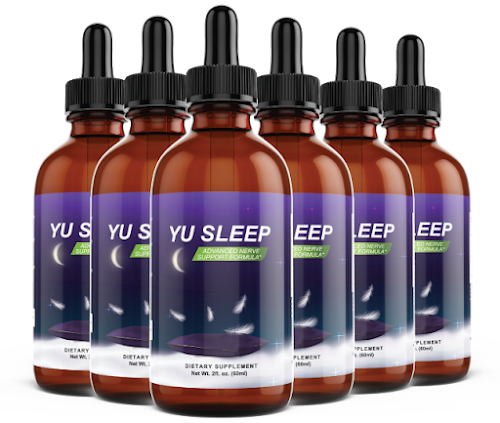
YU SLEEP is the one we point readers to for this, mainly for the dosing choice. Melatonin at 0.9mg rather than the 5 or 10mg that fills most shelves: melatonin is a timing signal, not a sedative, and low doses do the job at least as well while leaving less morning fog. Alongside it, magnesium glycinate, L-theanine, apigenin, lemon balm, red tart cherry, GABA, 5-HTP and B6 and B2. Full list in the ingredients guide; we have not tested it ourselves, so the review is built from the published formula and buyer reports.
How long it actually takes to clear
A healthy liver processes roughly one standard drink per hour, and that rate is close to fixed. Coffee, a cold shower, food and water do not speed it up — they make you feel more awake while the same amount of alcohol is still circulating. Only time works.
Which means you can read your own night straight off the clock:
These are averages. Body size, sex, medication and how recently you ate all shift them, and the rate is slower for most women than most men at the same body weight. Treat the table as a starting point and adjust from what your own nights tell you.
Does it matter what you drink?
Far less than people hope. The ethanol does the work, so the dose and the timing matter and the category mostly does not. A large glass of wine and a double spirit are closer to each other than either is to a small beer.
Two small caveats worth knowing. Drinks with sugar or caffeine in the mix — a rum and cola, an espresso martini — add a stimulant on top of a sedative, which is a genuinely bad combination late at night. And red wine contains compounds that trigger headaches in susceptible people, which can wake you independently of anything alcohol is doing to your sleep stages.
The practical version: if you are going to drink, drink it earlier and keep the caffeine out of it.
Fixing the snoring half of the problem
Timing deals with the 3am waking. It does not deal with the snoring, because that happens while the alcohol is still in you and your airway is relaxed.
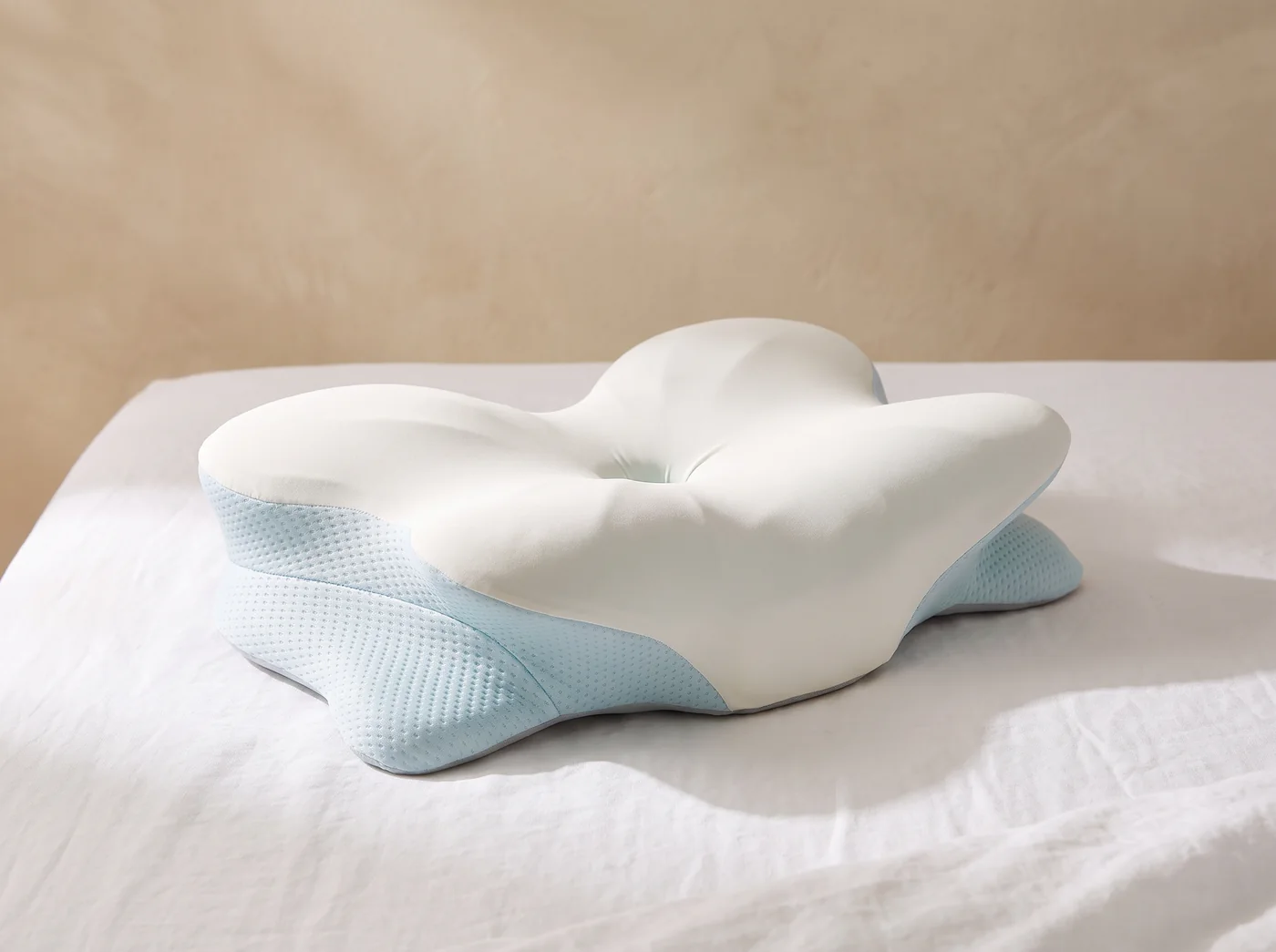
Back sleeping is the aggravating position: gravity pulls the tongue and soft palate backwards into an airway that is already slacker than usual. Side sleeping removes most of that, which is why partners elbow people onto their side at 2am and it genuinely works. The difficulty is staying there, and that is a pillow problem — if your pillow is too flat to fill the gap between shoulder and ear, your head tips and you roll back within the hour.
A contoured pillow with raised sides holds the side position without effort, and makes rolling onto your front uncomfortable enough that you stop. Our pillow guide for snorers goes into the specifics.
When it is more than a habit
Everything above assumes you are someone who enjoys a drink in the evening and would like the night back. If the picture is different — you cannot get to sleep at all without it, the amount has been climbing, or you have tried to stop and found you could not — that is worth a conversation with your GP rather than a change to your bedtime routine. It is a common conversation and they will have had it before.
Frequently asked
Why do I always wake up at 3am after drinking?
Alcohol suppresses REM early in the night. As your blood alcohol falls towards zero, REM rebounds and sleep turns light and broken — and for most people that timing lands in the small hours. Moving your last drink earlier changes it more than drinking less does.
How long before bed should I stop drinking?
Three to four hours for a couple of drinks, and earlier if you are having more. The calculator above works it out from your bedtime.
Does one glass of wine really affect sleep?
Less than three does, but it is still measurable — typically a raised overnight heart rate and slightly more fragmented sleep in the second half. Whether that matters is up to you. Timing it earlier removes most of it either way.
Why do I sleep worse on the nights I don’t drink?
Very common for the first week or two. You have been falling asleep with chemical help and your own wind-down takes a little while to come back. It settles, and it is exactly the stretch where a non-sedating sleep aid earns its place.
Does alcohol make snoring worse?
Yes. It relaxes the muscles holding your upper airway open, so snoring gets louder and apnea pauses get longer. Sleeping on your side with your head properly supported helps; alcohol earlier in the evening helps more.
The bottom line
You do not have to give up the drink to get the night back. The 3am waking is a timing problem, not a quantity problem, and moving your last glass three to four hours earlier fixes most of it for free. Fix the snoring angle with your sleeping position, give the first alcohol-free week a hand if you need one, and judge it after two weeks rather than two nights.