
Weed and Sleep: Why It Stops Working, and What the First Week Without It Looks Like (2026)
Quick answer: THC does shorten the time it takes to fall asleep, which is why it has the reputation. It also suppresses REM — the reason regular users notice they stop dreaming. Two things follow: tolerance builds to the sleep effect specifically, so the amount that worked in January does less by June, and when you stop, the suppressed REM comes back all at once as vivid dreams and several genuinely rough nights. That rebound is temporary and it has a shape. Knowing the shape is most of what gets people through it.
This is not a page about whether you should use cannabis. It is a page about what it is doing to your sleep architecture if you use it nightly, and what the exit looks like if you decide the trade has stopped being worth it.
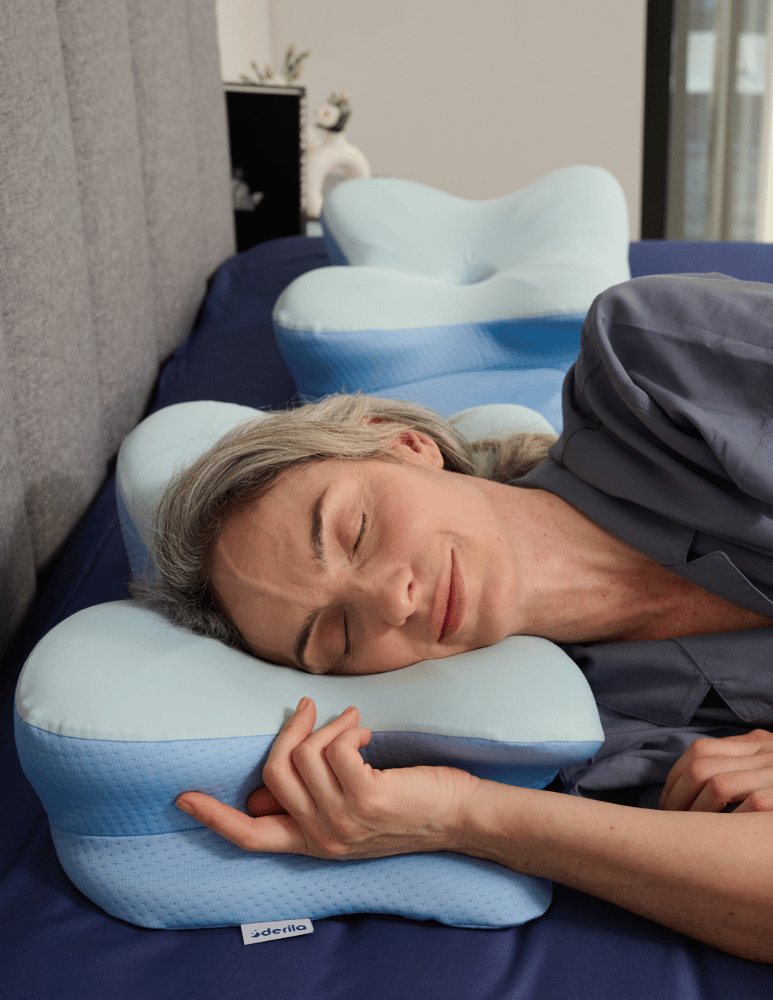
Night one versus month six
On night one, THC works. Sleep onset is faster, you are less bothered by the racing thoughts, and you go under. Nobody disputes that part and it is why the habit forms.
What changes is the dose-response. Tolerance to the sedating effect develops faster than tolerance to most of cannabis’s other effects, which produces a very specific experience: the same amount still gets you high, but it stops putting you to sleep. So the bedtime dose creeps up, and the thing you are using as a sleep aid quietly becomes something you need rather than something that helps.
The pattern people describe
Sleep benefit falls away while the dose climbs
Tolerance to the sedative effect builds faster than to the other effects, so the sleep benefit is the first thing to go.
Why you stop dreaming
The most reported effect of nightly THC is the absence of dreams. That is REM suppression, and it is the clearest signal that your sleep architecture has been altered rather than improved.
REM is where a good deal of emotional processing and memory consolidation happens. Losing it every night is not free, even if the hours of sleep look fine on a tracker. And because the brain treats REM as something it is owed, suppressing it builds a debt that gets repaid the moment you stop.
What the first week without it looks like
This is the part nobody warns people about, and it is why so many attempts to stop last three nights. Cannabis withdrawal is a recognised clinical picture, and disturbed sleep is its most prominent feature. Pick where you are:
Night-by-night
Which night are you on?
The thing to hold on to: the rebound is self-limiting. It is loud, it is unpleasant, and it ends. People who know that in advance get through it at a far higher rate than people who assume their sleep is simply broken now.
Is CBD different?
Yes, meaningfully. CBD is not intoxicating and does not appear to suppress REM the way THC does, so the dream-rebound problem is not the same. There is some evidence for anxiety reduction, which can help indirectly if anxiety is what keeps you awake.
Two honest caveats. The sleep evidence for CBD specifically is thin and the studies are small. And product labelling is inconsistent enough that what is on the bottle and what is in it are not always the same, which makes it hard to know what you are actually taking.
What actually helps across the gap
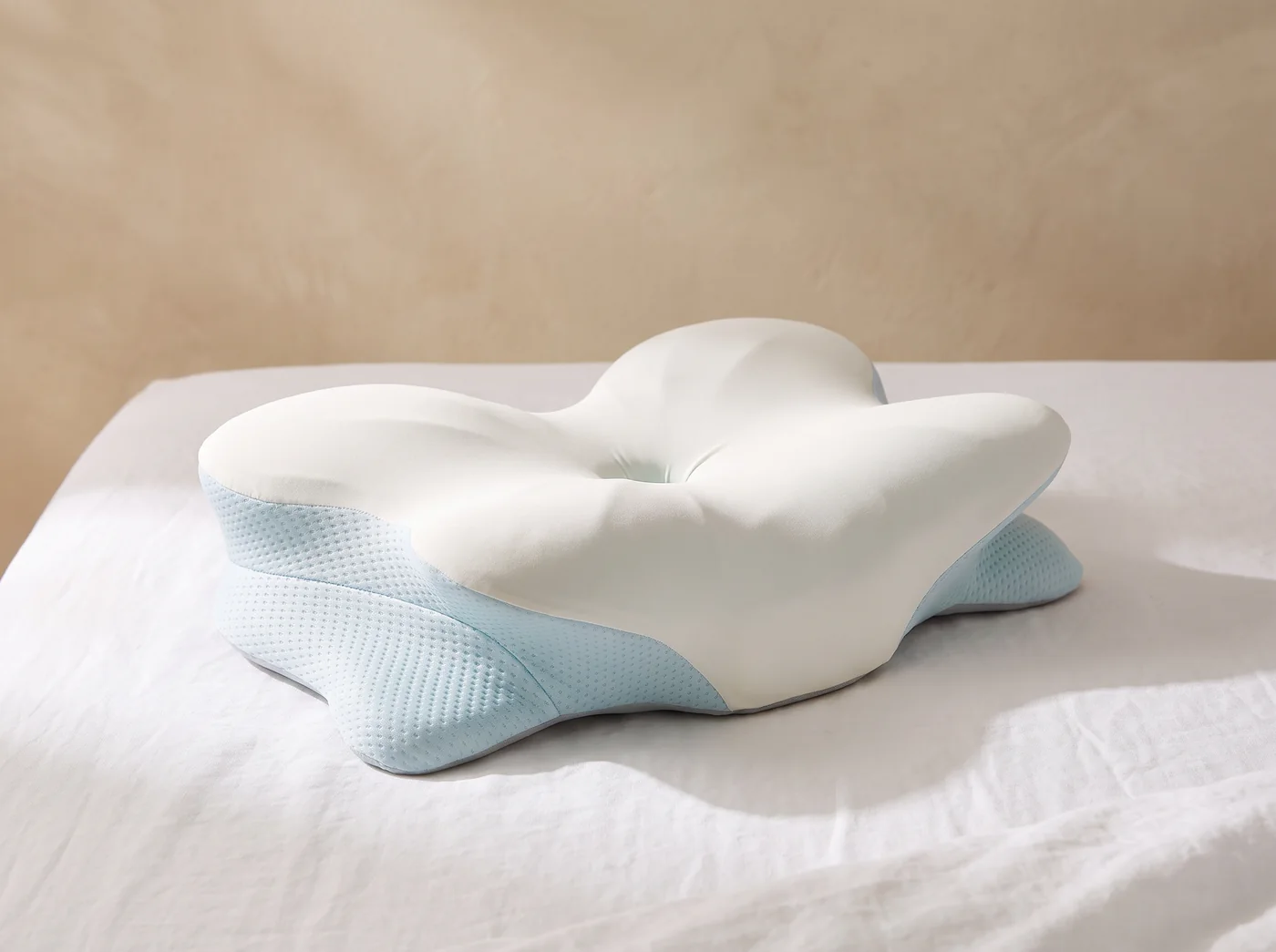
That last row catches people out. If you have been sleeping through a pillow that leaves your neck aching, THC was partly masking it — lighter sleep means you now feel it. Our Derila Ergo review and the pillow height calculator cover that side.
Where a supplement fits, and where it does not
Straight answer: a sleep supplement will not match the sedation you are used to. Nothing legal and non-prescription will, and anything that did would be the same trade in a different bottle.
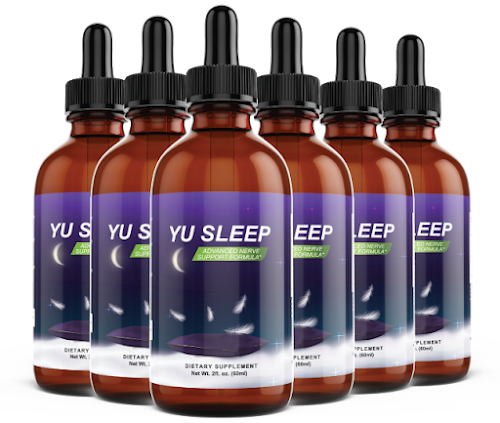
What it can do is shorten the wind-down during the stretch where your own has not come back yet — roughly nights two to ten, which is exactly where most attempts fail. That is a narrow job, and it is the one YU SLEEP is built for: melatonin at 0.9mg as a timing signal rather than a knock-out dose, with magnesium glycinate, L-theanine, apigenin, lemon balm, red tart cherry, GABA, 5-HTP and B6 and B2 alongside. Full list in the ingredients guide; we have not tested it ourselves, so the review is built from the published formula and buyer reports.
Why the rebound lasts longer for some people
THC is fat-soluble. In an occasional user it clears in a couple of days; in someone who has used heavily every night for years it has accumulated in body fat and leaches back out slowly over weeks. That is why two people quitting on the same day can have completely different experiences.
The practical consequence is counter-intuitive: heavier, longer-term users often have a delayed and more drawn-out rebound rather than a sharper one. If you were a nightly user for years and night three felt manageable, do not assume you are through it. The difficult stretch can arrive in week two.
It also means the timeline in the selector above is a median rather than a promise. Light user, three to seven days. Years of nightly use, closer to two to four weeks before your baseline is visible.
Edibles, smoking and vaping behave differently at night
If you wake reliably a few hours in, the short duration of smoking or vaping is the likely culprit — the same shape as the alcohol rebound, for a different reason. And if your complaint is morning fog rather than night waking, an edible taken too close to bed is usually behind it.
If you are not planning to stop
Plenty of people reading this have no intention of quitting, and that is their call. Three changes reduce the sleep cost without stopping:
- Move it earlier. Using an hour or two before bed rather than at bedtime means less of the effect is still active at your alarm, which is most of the morning fog.
- Use less rather than more. Counter-intuitive, but the sedating effect tolerates fastest — climbing the dose chases something that has already gone while adding to the eventual rebound.
- Take periodic breaks. A few nights off every so often resets tolerance partially, which is why people who do this still get a sleep benefit years in while nightly users do not.
And the free one that applies either way: fix whatever is physically waking you, because that is working against you on every night regardless of what else you do.
When it is more than a sleep habit
Everything above assumes cannabis is something you use at night and would like to use less of. If the amount has been climbing on its own, you have tried to stop more than once and not managed it, or it has started costing you things you care about, that is worth raising with your GP. It is a routine conversation for them and there is support available that works better than willpower.
Frequently asked
Why can’t I sleep after quitting weed?
Because THC was suppressing REM and your brain is now repaying it all at once, on top of having lost the sedative you were falling asleep with. It peaks around nights three to five and settles over one to three weeks.
How long do the vivid dreams last?
Usually loudest in the first week and noticeably calmer by week two or three. They are the REM debt clearing, so they are a sign of recovery rather than a problem.
Why has weed stopped making me sleepy?
Tolerance to the sedative effect builds faster than to the other effects. The same amount still works in other ways but no longer puts you under, which is why the bedtime dose tends to climb.
Is it better to taper or stop all at once?
Tapering over a week or two generally spreads the rebound thinner rather than concentrating it into a few brutal nights, and more people get through it that way.
Does CBD help sleep without the rebound?
CBD does not appear to suppress REM the way THC does, so the dream rebound is not the same issue. The sleep evidence for it is thin and product labelling is inconsistent, so keep expectations modest.
The bottom line
THC is an effective short-term sleep aid and a poor long-term one, and the mechanism that makes it work early is the same one that makes it stop. If you are at the point where it is required rather than helpful, the exit is a bad week rather than a permanent problem — keep your wake time fixed, expect the dreams, remove anything physical that will wake you while sleep is light, and judge your real baseline at week three rather than night three.