Caffeine and Sleep: Work Out Your Real Cut-Off Time (2026)
Quick answer: Caffeine has a half-life of roughly five hours, so a 3pm coffee still has about a quarter of its caffeine in you at 1am. The important part is that falling asleep fine does not mean it is not costing you — caffeine cuts deep sleep even when sleep onset looks completely normal, which is why you can get eight hours and wake unrefreshed. A cut-off eight hours before bed is the sensible default, and longer if you are on the pill, pregnant, or naturally a slow metaboliser. Use the calculator below for your own number.
Almost everyone underestimates this one, because the feedback loop is broken. You drink coffee at 4pm, you fall asleep at 11pm without difficulty, and you conclude caffeine does not affect your sleep. The damage is happening in a part of the night you have no access to.
Caffeine hides tiredness, it does not remove it
While you are awake, a molecule called adenosine builds up in your brain. The more of it there is, the sleepier you feel. That accumulating pressure is most of what makes you fall asleep at night.
Caffeine works by blocking the receptors adenosine binds to. It does not clear the adenosine — it sits in the doorway so the signal cannot get through. The tiredness is still there, accumulating, and the moment the caffeine clears you feel all of it at once. That is the afternoon crash, and it is the reason the third coffee feels necessary.
Work out your cut-off
Cut-off calculator
Your bedtime, and how fast you clear it
For the evenings the cut-off is not enough
See YU SLEEP →Melatonin 0.9mg, magnesium glycinate, L-theanine · 60-day guarantee
The half-life maths
Half-life is the time it takes your body to clear half of what you took. For caffeine that is around five hours in a typical adult. Run it forward from a single large coffee:
Put plainly: drinking a strong cup of tea at 1am would strike most people as a bad idea. A 3pm coffee puts you in the same position without you noticing.
“But I sleep fine on it”
You probably do fall asleep fine. That is not the same as sleeping well, and it is the single most common reason people rule caffeine out incorrectly.
Research measuring sleep objectively has found that a dose of caffeine taken six hours before bed measurably reduces total sleep — while the people taking it reported no difference at all. They could not detect the effect they were having. Deep slow-wave sleep is the part that suffers most, and deep sleep is where most of the physical restoration happens.
So the symptom of a caffeine problem is usually not insomnia. It is waking up after a full night feeling like you did not sleep — and then reaching for coffee, which is what closes the loop.
How much is actually in things
The two that catch people out are tea, which is treated as a non-event but is a real dose at 9pm, and energy drinks, where a single can of the larger sizes can carry more than two coffees.
Why your cut-off is not the same as everyone else’s
Caffeine is cleared largely by one liver enzyme, and how fast yours works varies enormously. This is why one person can have an espresso after dinner and sleep, and another is awake at 2am from a 2pm latte. Neither is imagining it.
- Genetics. Fast and slow metabolisers differ several-fold. If caffeine has always hit you harder than your friends, that is probably why.
- Oral contraceptives roughly double how long caffeine takes to clear. If your sleep changed when you started the pill, this is a candidate nobody mentions.
- Pregnancy extends it dramatically, particularly in the third trimester.
- Smoking speeds it up — which means quitting smoking effectively doubles the strength of your usual coffee. People who quit often blame the resulting sleeplessness entirely on nicotine withdrawal when half of it is caffeine they are no longer clearing as fast.
What to change, in order
- Move the cut-off, do not cut the amount. Same number of coffees, all of them before your line. This is the change people actually keep.
- Count the tea and the cola. Most people’s cut-off is broken by something they do not think of as caffeine.
- Give it two weeks. Adenosine sensitivity takes days to recalibrate, and the first few days of an earlier cut-off can feel worse rather than better.
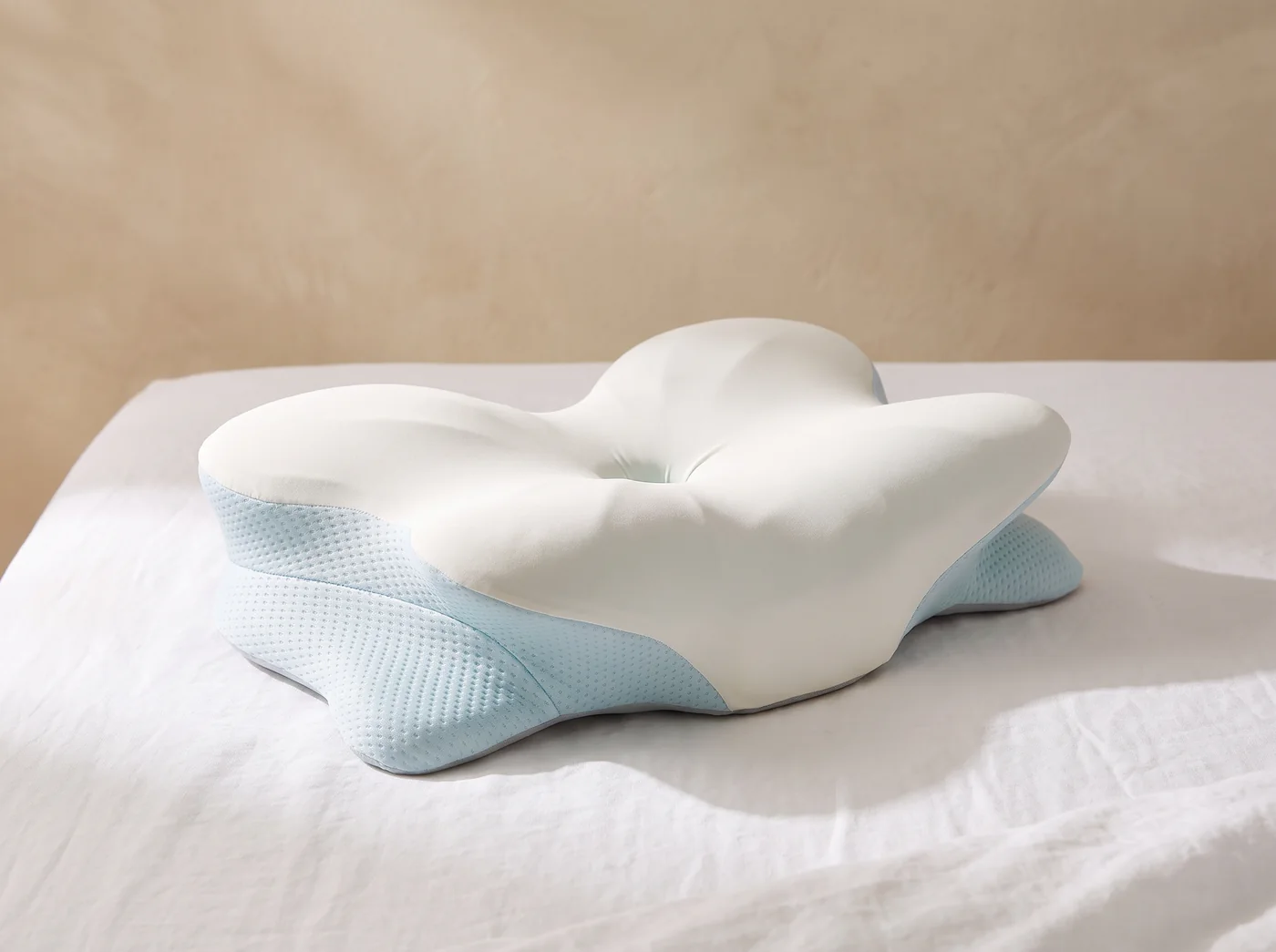
- Rule out the physical stuff. If a pillow is waking you at 4am, caffeine will take the blame and the experiment will fail. Our Derila Ergo review and the pillow height calculator cover that.
Where a supplement fits
Honestly: it does not out-run caffeine. Nothing taken at 10pm reverses a 4pm double espresso, and anything claiming to is selling you sedation rather than sleep.
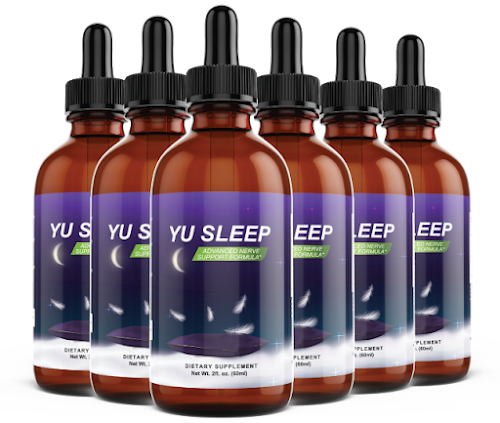
Where it does earn its place is the fortnight after you move your cut-off, when your own sleep pressure is rebuilding and the evenings feel oddly alert. YU SLEEP is built for that job rather than for knocking you out — melatonin at 0.9mg as a timing signal, with magnesium glycinate, L-theanine, apigenin, lemon balm, red tart cherry, GABA, 5-HTP and B6 and B2. L-theanine is the interesting one here: it is the compound in tea that takes the edge off caffeine’s jitteriness. Full list in the ingredients guide; we have not tested it ourselves, so the review is built from the published formula and buyer reports.
Get through the fortnight after you move your cut-off
See today’s price →60-day money-back guarantee
The loop that keeps it going
Caffeine’s grip is not really about liking coffee. It is that the problem it treats is one it creates the night before.
How it self-sustains
Each step makes the next one feel necessary
Breaking it anywhere works. The easiest place is step one, by moving the time rather than cutting the amount.
This is also why people who quit caffeine entirely often report, after the first rough week, that they no longer feel the afternoon crash they were using it to treat. The crash was substantially the caffeine wearing off.
If you cut down, expect a bad few days
Caffeine withdrawal is real and it has a predictable shape. Headache is the classic symptom, usually starting 12 to 24 hours after your last dose and peaking somewhere in the first two days. Fatigue, irritability and difficulty concentrating come with it. Most people are through it within two to nine days.
Two practical points. First, this is why cutting caffeine on a Monday is a bad plan — start on a Friday. Second, you do not have to go through it at all if your goal is sleep rather than abstinence: moving your cut-off earlier does not trigger withdrawal, because your total daily dose is unchanged. That is a large part of why it is the change we recommend.
If you do want to come off it properly, tapering by roughly one drink every few days avoids most of the headache.
The one time caffeine timing works for you
There is a genuine trick worth knowing, and it is the opposite of what people expect. Caffeine takes about 20 minutes to take effect. A short nap takes about 20 minutes. So drinking a coffee immediately before a 20-minute nap means you clear some adenosine while you sleep and the caffeine arrives as you wake — and the two effects stack rather than fight.
The constraints matter. Keep the nap to 20 minutes, because going longer drops you into deep sleep and you wake groggy regardless of the coffee. And it still counts against your cut-off: a coffee nap at 4pm is a 4pm coffee as far as your night is concerned.
Frequently asked
How late is too late for coffee?
Eight hours before bed is the sensible default, so roughly 3pm for an 11pm bedtime. Earlier if you are on the pill, pregnant, or know you are sensitive. The calculator above gives your own number.
Does caffeine affect sleep if I fall asleep fine?
Yes. Caffeine reduces deep slow-wave sleep even when it does not delay sleep onset, and studies have measured people losing sleep from an afternoon dose while reporting no effect at all. Falling asleep easily is not evidence that it is harmless.
Is decaf really caffeine-free?
Not quite — typically 2 to 5mg a cup rather than zero. That is low enough not to matter for most people, but if you are very sensitive and drinking several decafs in the evening it adds up.
Why does caffeine affect me more than other people?
Mostly genetics — the liver enzyme that clears caffeine varies several-fold between people. Oral contraceptives roughly double clearance time, pregnancy extends it further, and smoking shortens it.
Will cutting caffeine fix my sleep on its own?
It fixes the part caffeine was causing, which for many people is the difference between eight unrefreshing hours and eight good ones. If something physical is also waking you, deal with that at the same time or you will not be able to tell what worked.
The bottom line
You do not have to drink less coffee. You have to drink it earlier. Work out your cut-off from your bedtime rather than from habit, count the things you do not think of as caffeine, and judge it after two weeks rather than two days — because the measure that matters is not how fast you fall asleep, it is how you feel at breakfast.